


Mohd Arbaaz is an Editor and Writer at Fitnessison.com with 5 years of experience in SEO and digital content creation. He creates informative, reader-focused content covering fitness, workouts, nutrition, health, healthy lifestyle, technology, and computers.

Shashi Teja is a Reviewer at Fitnessison with over 6 years of experience in SEO, content strategy, digital publishing, and content optimization. He reviews content for clarity, research quality, topical relevance, readability, structure, and overall usefulness to readers.
Last Updated: September 17, 2026
Vitamin D is an essential nutrient in that it allows the body to absorb calcium in the diet and keeps the body‘s bones and muscles healthy as well as being essential in regulation of the immune system vitamin d can be synthesised in the body from the sun but. Vitamin D supplementation should be considered to supplement the nutritional gap where for example if intake or vitamin D status are observed to be low. However, more is not always better, and excessive doses of vitamin D without a reason may be harmful.
Here you will find information about the supplements vitamin D which includes information about this supplement, who may require taking this supplement, how to take this supplement, food sources and safety considerations.
What Is Vitamin D?
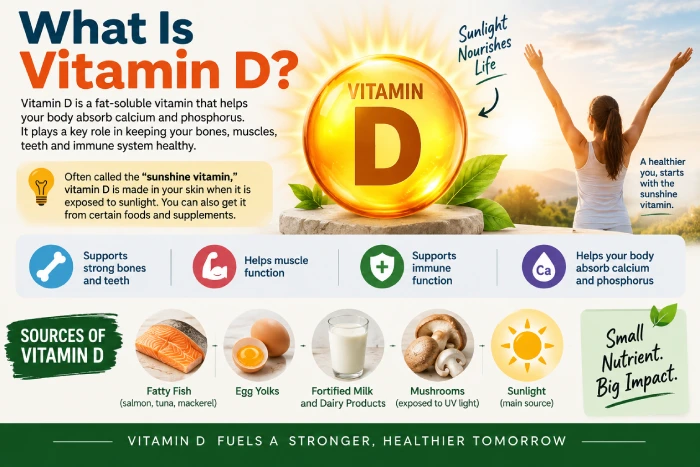
Vitamin D: a fat-soluble vitamin that helps regulate the calcium and phosphorus (minerals needed for healthy bones and teeth) in the body.
There are two common forms of vitamin D:
- Vitamin D2 (ergocalciferol): occurs naturally in a number of foods and supplements, e.g. in some type of mushrooms and fortified foods.
- Vitamin D 3 (cholecalciferol):Produced in the skin following exposure to sunlight, available in some foods of animal origin and in supplement form.
Both forms of intake which can supplement vitamin D levels, but D3 is more often used in supplements.
Why Is Vitamin D Important?
The functions of vitamin D include:
1. Supports Bone Health
For the intestines to take up calcium they require vitamin D. Calcium and vitamin D are the cornerstone of normal bone architecture and strength.
2. Supports Muscle Function
Vitamin D is also involved in the normal physiology of muscles. There is a crucial need to maintain optimum levels of vitamin D as we age.
3. Helps Maintain Normal Immune Function
Vitamin D has a role to play in the regulation of the immune system.
4. Supports Calcium and Phosphorus Balance
Helps to maintain calcium and phosphorus levels in the blood. Both minerals effect different parts of the body, including the muscles, bones and other processes in the rest of the body.
Who May Need Vitamin D Supplements?
Not all requiring supplementation. Those who are likely to have low vitamin D status might be,
- Get minimal sunlight exposure.
- Funs and spends the majority of his life inside.
- Darker skin was classified.
- Older adults, are they?
- Occur for some digestive disorders that impair the ability to absorb nutrients
- Have received some forms of gastrointestinal surgery
- Fill your diet with mostly foods that contain vitamin-D.
- Are known to have deficiency of vitamin D.
Needs are individual. Individuals concerned about a deficiency should speak with a health care professional.
Signs of Vitamin D Deficiency
Mild vitamin D deficiency may be asymptomatic. With more sever deficiency the following may be present:
- Pain in the bones or muscles
- Muscle weakness
- Higher chances of issues with the bones
- fatigues for some [] which [] the fatigues for some and [] the fatigues for none.
As these symptoms are non-specific it is not possible to interpret them in isolation as an indication of vitamin D deficiency. May order a blood test. If a deficiency is thought to be present, you may see a healthcare worker.
Vitamin D Supplement Dosage
The recommended dose of vitamin D is age related, intake through diet, sun exposure, state of health and the vitamin D level at the time. In adults, a frequently cited amount for recommended intake is 600 IU (15 mcg) daily for 19–70 year olds and 800 IU (20 mcg) daily for those over 70. These figures are for total daily intake from foods, drinks and supplement sources and not how much should be taken as supplements. Those with vitamin D deficiency may be given a higher dose for a short period of time under doctor supervision.
Why You Shouldn’t Automatically Take High Doses
Vitamin D is fat soluble and can thus be stored in the system which is something to be wary of, as too much will increase vitamin D to the upper limit. The safe UL is 4,000 IU (100 mcg) daily for most adults. This higher level should generally only be taken on the advice of a doctor or health care practitioner.
Vitamin D3 vs. Vitamin D2
AnyvD2 or D3 may be used in supplement form. D3 is the form most commonly available as a supplement, and can be very effective in elevating and sustaining serum levels of vitamin D. Vitamin D2 is another valid form, which is found in fortified foods, added to meals or taken as a supplement. If you‘re selecting a supplement, consider the actual vitamin D content on the label rather than assuming the higher the number the better.
Best Time to Take Vitamin D Supplements
Vitamin D is fat soluble and would be better absorbed if taken with a meal or snack containing some food fat. There is no specific time of day vitamin D should be taken. The key is a regular time each day based on the directions on the supplement or advice of your Healthcare Professional.
Vitamin D Food Sources
You don‘t have to rely on supplements to get vitamin D.
Food sources can include:
- A variety of fatty fish including salmon and sardines
- Egg yolks
- Fortified milk
- Adds to the existing form of plant milk.
- Fortified cereals
- There some mushrooms that have been exposed to ultra violet light.
- Some fortified foods.
The vitamin D level in foods is highly variable. Often, nutrition labels will provide this information.
Vitamin D and Sunlight
Our bodies have the capacity to generate vitamin D when our skin absorbs UVB light, which is emitted by the sun.
However, the amount produced varies depending on:
- Skin pigmentation
- Location
- Season
- Time of day. This seems to have been an orally trained skill as several of the observations that were compared with the time of day were very inaccurate.
- Age
- Clothing
- Sunscreen use
- Lets start with the part of the body you have to worry the most about, as every other part of the body listed on this page has the potential to be affected, including; facial skin, hands, and lips. In the body the skins constitute 16-20% of the total skin surface area.
There is no need to use the absence of the sun as an excuse to neglect your sun-safety measures. An excess of UV rays contributes to skin-cancer.
Potential Benefits of Vitamin D Supplements
Use of vitamin D if there is not enough vitamin D in the diet or if deficiency has been confirmed.
Potential benefits include:
Supporting Bone Health
The treatment of vitamin D deficiency will help maintain normal calcium absorption and the health of bone.
Supporting Muscle Function
Vitamin D plays an important role in maintaining good muscle function.
Preventing Deficiency
In those who do not get sufficient vitamin D from the diet, the sun or other sources supplementation may be necessary to achieve sufficiency.
It is also important to separate what is correcting a deficiency and using high dose vitamin D as a preventative for all disease. Supplements are not an end in themselves and high dose vitamin D has not been shown to prevent any disease which may be associated with low vitamin D levels.
Can Vitamin D Supplements Help With Weight Loss?
Another point to make is that vitamin D supplements are not to be used as a weight-loss aiding supplement.
Patients who are obese may have reduced serum vitamin D concentrations, yet vitamin D supplementation alone is also not consistently associated with weight loss.
A healthy weight-management plan should instead focus on:
- A healthy diet.
- Calorie intake. The key concern is for the child to consume an adequate number of calories. However, the CDF has the reputation of being a ‘high calorie diet’ and has often been used to compliment high calorie, energy dense diets. Everyday Activity. [Physical activity can also be defined as it is any bodily movement produced by the contraction of skeletal muscles that results in energy expenditure. This includes everything from cooking, eating, cleaning the house to exercising. For example, yoga, dancing, running, cycling, lifting the weights all are forms of physical activity.
- When we walk to the park it is considered physical activity (teachingkids, 2010).]
- Adequate sleep
- The natural, sustainable lifestyle behaviors
While this is a health concern if the person is deficient in vitamin D, it should not be mistaken as a weight-loss treatment.
Vitamin D Supplements and Calcium
Vitamin D and calcium are synergistic; vitamin D helps the body absorb calcium. and calcium forms part of the bone matrix.
But taking calcium and vitamin D supplements together is not automatically necessary.
Prior to taking supplements, the total diet, age and health status and risk of osteoporosis should be assessed.
Possible Side Effects of Too Much Vitamin D
Vitamin D toxicity is usually in relation to supplemental intake for this reason.
Excessive levels of vitamin D can result in elevated blood calcium levels and elicit responses such as:
- Nausea
- Vomiting
- Poor appetite
- Constipation
- Excessive thirst
- Frequent urination
- Weakness
- Confusion
The dose is small amount of toxicity can lead to damage of the kidneys and other significant complications.
If you are taking vitamin D then DON‘T take two products containing vitamin D without finding out what the combined dose is.
Who Should Talk to a Doctor Before Taking Vitamin D?
It‘s particularly important to seek professional advice if you:
- Living with kidney disease.
- Experience of having had kidney stones
- My health was affecting me too much. All those visits to the doctor and nowhere to turn for answers. So I decided to look for some new information. I was writing when I came across a web site called ‘Have high blood calcium levels’.
- Have some types of parathyroid disorder.
- Possess any of the following conditions that interfere with the body‘s ability to absorb nutrients
- These have been listed to take medications which can have a possible interaction with this vitamin. Medicines such as isoniazid and rifampicin have an increased effect.
- Is using high dose vitamin D.
- Have been found with vitamin D deficiency.
A health expert can identify whether testing, supplementation, or a certain dose.
How to Choose a Vitamin D Supplement
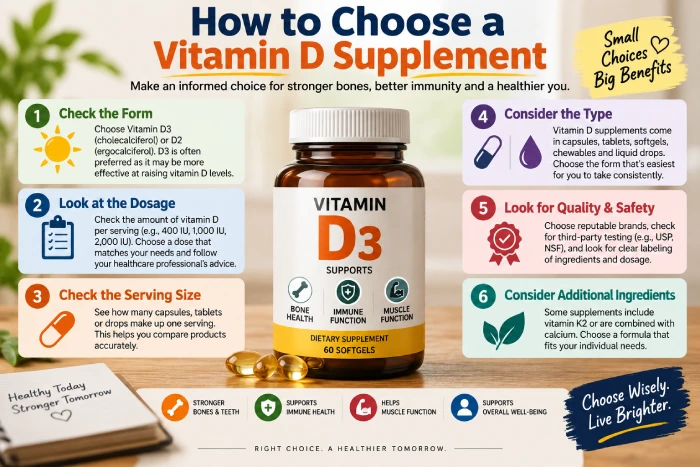
If supplementation is appropriate, consider the following:
Check the Form
Search for vitamin D2 or D3. Record the amount per serving.
Check the Dose
Don‘t default to the highest strength product. Too much vitamin D can be harmful.
Look at the Serving Size
A few products contain a sizable dose per capsule, whereas others contain smaller doses that may be intended for daily use.
Choose a Reputable Product
Buying products with good makers and the read the label carefully to see the ingredients and doses.
Consider Your Overall Intake
Remember the additional vitamin D supplied by the multivitamins, fortified foods and various other supplement sources.
Frequently Asked Questions
Can I take vitamin D every day?
In most cases, most of us can take the correct amount of vitamin D everyday without any side effects, but the “correct” amount of vitamin D does depend on your particular circumstances follow package directions or your physician‘s recommendations.
Is vitamin D3 better than vitamin D2?
Both forms can increase vitamin D. Vitamin D3 is used more frequently and may increase and sustain blood vitamin D levels more efficiently in certain response situations.
Can I get enough vitamin D from food?
The food sources of vitamin D are limited, so it can be hard to meet your weekly requirements solely through diet, as a limited selection of foods naturally contain high vitamin D levels. Fortification of foods may be an advantage here.
Does vitamin D give you energy?
Vitamin D is not a stimulant and should not be considered as a energy supplement. Some people who are deficient may find themselves tired but there are many reasons why a person might be tired.
Can I take vitamin D without a blood test?
Tests for vitamin D deficiency in those who are not deficient (when vitamin D intake is within normal limits) are not always indicated. However, testing can be useful in the detection of deficiency, or to exclude deficiency, particularly in those on high dose regimens.
Should I take vitamin D with food?
It is best to take vitamin D with a meal that contains some fat, and to take it consistently.
Final Thoughts
Vitamin D supplements could be used as an effective way to treat individuals with vitamin D insufficiency/ deficiency if used correctly. Vitamin D is used to assist calcium absorption and therefore maintain good muscle and bone health and a normal healthy immune system. However, excess amounts of D can be toxic. Hence it is wise to maintain a level of reasonable management so that you get the vitamin D you need from good quality foods, safe sunlight exposure, if indicated, and supplements, if truly indicated. If you are considering high dose supplementation or have a condition that may affect vitamin D metabolism then seek medical opinion before starting.