

Last Updated: September 12, 2026
Iron is an essential mineral, and is necessary for the production of Hemoglobin; the protein in Red Blood Cells (or RBCs) that transports oxygen around the body. It is also involves in normal energy metabolism, muscular function, and other important processes in the body. Iron supplementation may be beneficial for individuals who do not consume enough foods containing iron, or have been confirmed to be suffering from the condition of iron deficiency. However, it may be dangerous to supplement with iron if there is no deficiency present in the individual, hence iron supplementation, when appropriate, should be individually tailored. It is the purpose of this ‘patient information leafleters) to provide comprehensive information regarding the use of iron supplements.
What Is Iron?
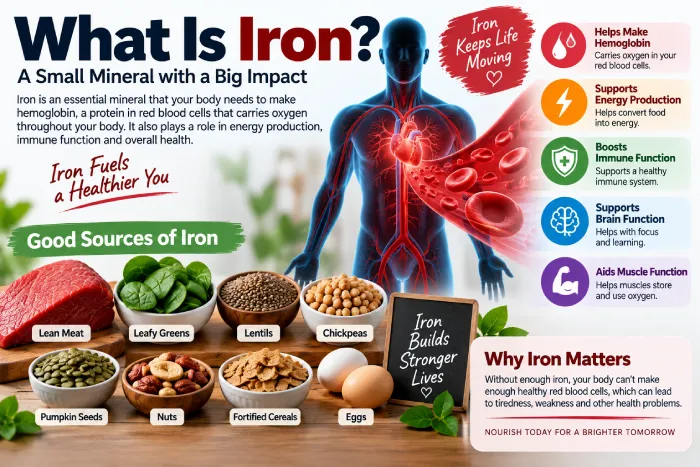
Iron is a mineral that the body needs for many different reasons. Perhaps its most well known function is assisting in the formation of hemoglobin, which is responsible for enabling red blood cells to carry oxygen from the lungs to the tissues.
Iron is also involved in:
- The physiological pathologies of normal energy metabolism exhibit, is present betweenghe acute defect of energy machinery, in the one hand andghe systemic disturbance in cholinergic function, on the other hand.
- Oxygen storage and transport.
- Cognitively normal.
- Immune function
- Muscle metabolism
- Will the enzyme form some enzymes form after being synthesized. For example, the enzyme dihydropteroate synthase…
Since the human body is unable to make iron it must be obtained through the diet or with suppliments.
What Are Iron Supplements?
The term iron supplement refers to a dietary supplement containing a concentrated form of iron. This can be in the form of a tablet, capsule, liquid, chewable and others.
Common types include:
- Ferrous sulfate
- Ferrous fumarate
- Ferrous gluconate
- Other iron preparations:
Products contain varying levels of elemental iron, the actual element from which the supplement is derived. This is important because the number written on the front of an iron supplement perhaps does not reflect the amount of elemental iron it supplied.
Who May Need Iron Supplements?
There is also not a need for an iron supplement to everyone. The populations that are potentially more at risk of developing iron deficiency include:
- Individuals experiencing (melv) heavy menstrual bleeding:
- Pregnant women
- Infants and very young children
- Regularly – blood donors
- Individuals adhering to some restrictive diets
- Individuals with gastrointestinal disorders that impair absorption of nutrients
- Individuals who have undergone severe hemorrhage
- Affected by iron-deficiency anemia
Identify the cause of low iron where possible rather than just treating the number with supplements.
What Is Iron Deficiency?
The term iron deficiency means that the body iron stores are too low. If deficiency is serious enough, then iron deficiency anemia may develop. This occurs when your body doesn‘t have enough healthy red blood cells or hemoglobin to carry oxygen. Hasiron deficiency can build up over time, and may not initially be obvious.
Common Signs of Iron Deficiency
Possible symptoms include:
- Fatigue
- Weakness
- Pale skin
- Headaches
- Dizziness
- Call the doctor if new wheezing occurs when running.
- Cold extremities
- Reduced concentration
- Brittle nails
A number of individuals with iron deficiency exhibit strange urges for things that are inedible. The phenomenon is known as pica. These symptoms can be caused by many things and should not be used to diagnose iron deficiency.
Iron Deficiency and Anemia
There‘s a difference between ‘iron deficiency’ and ‘iron-deficiency anemia’. Can have depleted stores of iron before anemia occurs. Continuing into deficiency, eventually, a decrease in Hemoglobin can be affected.
Healthcare professionals may use blood tests such as:
- Hemoglobin
- Ferritin
- Serum iron
- Total Fe-binding capacity (TIBC) here is a measure of total serum iron-binding capacity. It estimates the serum‘s ability to transport iron and is usually effected using glucose-ferrous sulfate. Serum TIBC is a indirect measurement of transferrin levels.
- Transferrin saturation
The right tests would be.
Iron-Rich Foods
There is typically no better place to begin than with food.
Heme Iron
The heme iron in animal foods is absorbed easier.
Sources include:
- Beef
- Lamb
- Chicken
- Turkey
- Fish
- Shellfish
Non-Heme Iron
Plant foods contain non-heme iron.
Good sources include:
- Lentils
- Beans
- Chickpeas
- Tofu
- Spinach
- Pumpkin seeds
- Sesame seeds
- Cashews
- Fortified cereals
- Whole grains
Incorporating a diverse range of these foods into the diet will boost the iron content.
Iron Absorption
Absorption of dietary iron is variable.
Vitamin C helps absorb non-heme iron. For instance, cooking lentils, beans, or greens with:
- Oranges
- Guava
- Kiwi
- Tomatoes
- Bell peppers
- Lemon
Is known to enhance iron absorption from plant-based foods. Some substances in tea and coffee inhibit non-heme iron absorption if consumed at about the same time as iron containing food or supplements.
Iron Supplements and Vitamin C
Vitamin C is sometimes suggested in conjunction with iron, since it can aid with non-heme iron absorption. However, the taking of iron together with a vitamin C source may be helpful for some individuals. The amount of vitamin C needed does not have to be excessively high levels though. Follow the directions that come with your supplement or the ones your doctor or pharmacist tells you to follow.
Iron Supplement Dosage
The dietary iron requirements are affected by age and sex, whether pregnant or not, length of the diet, and any illness or disease state. Thus, there is not a single range of iron supplement dosage which is right for all adult people. In direct comparison of supplements, the quantity of elemental iron should be considered. Patients with Fe deficiency anemia may receive a prescribed dose of elemental Fe and treated for weeks or months.
Don’t Self-Prescribe High-Dose Iron
Iron is unlike many of the other water-soluble vitamins and minerals because excess is stored and becomes toxic. It is not advisable to be on a high dose of iron unless the deficiency has been confirmed and is under medical supervision.
Best Time to Take Iron Supplements
If taken on an empty stomach, iron is most readily absorbed. However, some people find it irritates their stomach.
If taking iron without food causes:
- Nausea
- Stomach pain
- Heartburn
- Constipation
Your healthcare professional might have it with a little food. As much as possible, avoid having iron concurrently with foods and drinks that could impair its absorption (For example, calcium drinks and tablets, coffee etc.) Follow the directions included in your product at all times.
Iron Supplements and Tea or Coffee
The tea and coffee have compounds that interfere with the absorption of non-heme iron. What to do if you are on an iron tablet Try to avoid drinking tea or coffee at the same time as your tablet. Alternatively, have some time in between your iron supplement and the drinks.
Iron Supplements and Calcium
At higher levels, calcium may competitively inhibit iron absorption. If you are taking both calcium and iron supplements, consult a healthcare professional or pharmacist to determine the correct spacing. And this is very important if you happen to be taking multiple supplements on a daily basis.
Side Effects of Iron Supplements
Digestive complaints are a frequent side effect of iron supplementation.
These may include:
- Constipation
- Nausea
- Stomach discomfort
- Abdominal pain
- Diarrhea
- Dark-colored stools
- Metallic taste
The normal effects of oral iron supplementation include the passages of dark stools. This does not mean there is any pathology. If you develop intense abdominal pain, persistent vomiting and other troubling symptoms, contact your doctor.
How to Reduce Iron Supplement Side Effects
If iron causes digestive discomfort, some practical strategies may help:
- Consume additional doses. Follow the dose indication. The overdose is observed to be less effective than the dose used, consume additional dose.
- Consult your healthcare provider to determine if an alternative delivery form might be suitable.
- If it is suggested, take the supplement with your meals.
- Drink enough fluids.
- Add high fiber foods if constipated.
- Please read the following and do not combine (iron containing) supplements until you have established the total dose.
Never alter a prescribed iron schedule without consulting your doctor.
Can Iron Supplements Help With Tiredness?
In cases of iron deficiency or iron-deficiency anemia, iron supplements can treat tiredness by improving fatigue. Taking iron is not always the answer to fatigue. Ongoing fatigue may be caused by a variety of factors such as lack of sleep, emotional stress, nutritional deficiencies, thyroid dysfunction, infection or other illnesses. If fatigue is unexplained or persistent, it is more appropriate to find the cause rather than just assume it is an iron deficiency.
Iron Supplements for Women
Potential for higher iron requirements in women of childbearing age because of menses. Having heavy bleeds can make one especially prone to developing an iron deficiency. Another factor is an increased need for iron during pregnancy. As the blood volume increases, so does the body‘s need for iron. But whatever women are advised, them should not be prescribed large dosage of iron per se before they consult health care provider about their black‘s requirement.
Iron Supplements During Pregnancy
Iron requirements increase in pregnancy, and iron deficiency can occur. Most prenatals minerals include iron. However the dosage differs from one pill to another. If you are pregnant or trying for pregnancy, speak to your doctor or an appropriate healthcare professional about your iron consumption before taking a separate high dose supplement.
Iron Supplements for Vegetarians and Vegans
People who don‘t consume meat may obtain iron from plant foods such as:
- Lentils
- Beans
- Chickpeas
- Tofu
- Spinach
- Pumpkin seeds
- Fortified cereals
- Whole grains
Since non-heme iron from plants is not absorbed as well as heme iron, being strategic about your foods can be quite useful. Simple approaches such as combining plant sources of iron with foods rich in vitamin-C.
Iron Supplements for Older Adults
There are a few other reasons, such as poor diet, impaired absorption, or bleeding. A deficiency in older people should be investigated rather than supplemented. Unexplained iron deficiency may suggest underlying GI blood loss, and so healthcare consultation is advisable.
How to Choose an Iron Supplement
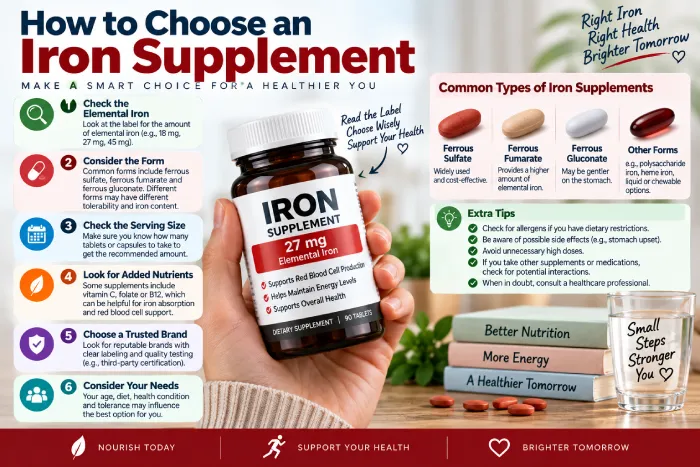
When deciding on using an iron supplement, the following should be taken into account.
1. Check the Elemental Iron
Check the quantity of as a single serving.
2. Consider the Form
Common forms of iron include ferrous sulfate, ferrous fumarate and ferrous gluconate. Varying preparations may have a different absorbency and elemental iron content.
3. Check the Serving Size
Some products will require one tablet two or three times daily.
4. Avoid Unnecessary High Doses
More iron is not better if you do not need it.
5. Check Other Supplements
If using a multi or a prenatal, you could already be getting some iron. Keep track of your total.
Can You Take Iron With a Multivitamin?
Certain multivitamins include iron.
The first thing to do if you decide to take iron in addition to the multivitamin is to see on both the labels what the total iron intake is.
If you were given iron tablets because you are short of iron, then follow the directions of the treatment given.
Iron and Medications
Interactions with other drugs. Iron has an effect on some drugs where.
For example, iron may interact with some:
- Thyroid medications
- Antibiotics
- Medicines for care of osteoporosis
- Other medications prescription…
Regular medications should be taken as usual. Consult a pharmacist or GP regarding timing and drug interactions.
Can Too Much Iron Be Harmful?
Certainly. Too much iron can cause poisoning.
Too much iron may cause:
- Severe nausea
- Vomiting
- Abdominal pain
- Constipation
- Organs involved in less severe course of disease
Poisoning with iron may occur in children. Keep iron preparations in safe and out of reach of the children.
Never give iron to a child except under doctor‘s orders.
Frequently Asked Questions
Should everyone take iron supplements?
No. Iron preparations are probably most appropriate when dietary sources are inadequate, or when a deficiency of iron has been established or is likely.
What is the best iron supplement?
There is not one best product, but rather the right formulation and strength will depend on the dose of elemental iron needed and the tolerability to the supplement.
Can I take iron every day?
Certain preparations are taken on a daily basis, but some regimens may involve alternative schedules. Do not attempt any high-dose regimen on your own, but follow the advice of your doctor.
Can I take iron on an empty stomach?
The iron component may be absorbed if you have an empty stomach but it can irritate your stomach if you need to, consult a healthcare professional about whether to take it with food
Final Thoughts
Iron supplements can be of benefit to those with inadequate iron intake or proven iron deficiency. Iron plays an important role in hemoglobin synthesis, oxygen transport, energy metabolism and many other processes. It is however not a supplement which everyone needs to take routinely. Too much iron can cause health problems and unexplained deficiency should be investigated before taking loads of iron. For most people it is better to eat iron-rich foods while taking vitamin-C-rich foods to help absorption and taking excess supplements to the recommended dose when you are truly iron-deficient or taking really high doses for other reasons.