

Healthy, glowing skin rarely happens by accident. It is usually the result of consistent care, informed choices, and treatments that work with the skin’s natural renewal process. Among the many professional skincare options available today, glycolic peels have earned a reputation for delivering visible results with minimal downtime. For people looking to refresh dull skin, soften fine lines, or address uneven tone, glycolic peel services have become a trusted solution.
As interest in non-invasive cosmetic treatments continues to grow, glycolic peels stand out for their balance of science, safety, and effectiveness. When performed by trained professionals, they offer more than a temporary glow. They support long-term skin health by encouraging renewal from the surface down.
Understanding Glycolic Peels and How They Work
What Is a Glycolic Peel?
A glycolic peel is a type of chemical exfoliation that uses glycolic acid, an alpha hydroxy acid derived from sugar cane. Glycolic acid is known for its small molecular size, which allows it to penetrate the skin more effectively than many other exfoliating agents.
Once applied, glycolic acid works by loosening the bonds that hold dead skin cells together on the surface of the skin. As these cells shed, newer and healthier skin cells are revealed underneath. This process helps improve texture, clarity, and overall tone while also stimulating collagen production in the deeper layers of the skin.
Professional glycolic peels are carefully formulated and applied to control depth and intensity. The strength of the peel can be adjusted based on skin type, concerns, and treatment goals, making it a versatile option for many individuals.
Why Glycolic Acid Creates Visible Results
The visible improvements associated with glycolic peels are rooted in how the skin naturally renews itself. As cell turnover increases, dullness fades and uneven texture smooths out. Over time, repeated treatments can help soften fine lines, reduce discoloration, and improve firmness.
Glycolic acid also supports hydration by helping the skin better absorb moisture and skincare products. This contributes to a healthier-looking complexion that feels smoother and more balanced.
Because glycolic acid addresses both surface-level concerns and deeper structural issues, its benefits often extend beyond what can be achieved with daily skincare products alone.
The Benefits of Professional Glycolic Peel Services
Improving Texture, Tone, and Radiance
One of the most immediate benefits of glycolic peel services is brighter, smoother skin. By removing layers of dead cells, glycolic peels reduce roughness and help restore natural luminosity. Skin often looks refreshed within days of treatment.
Uneven tone and hyperpigmentation also respond well to glycolic peels. Discoloration caused by sun exposure, acne scars, or hormonal changes can gradually fade as cell turnover increases and melanin distribution becomes more even.
With consistent treatments, many people notice clearer pores, fewer surface imperfections, and a more uniform complexion.
Addressing Acne and Congestion
Glycolic peels are commonly recommended for oily and acne-prone skin. By exfoliating inside the pores, glycolic acid helps prevent blockages that lead to breakouts. It also reduces surface oil buildup, which can contribute to acne formation.
For individuals dealing with post-acne marks or mild scarring, glycolic peels can help smooth texture and fade discoloration over time. While deeper scars may require additional treatments, glycolic peels often play a supportive role in acne management plans.
Supporting Anti-Aging Goals
As skin ages, cell turnover slows and collagen production declines. Glycolic peels help counteract these changes by stimulating renewal and encouraging collagen synthesis. Over time, this can soften fine lines, improve elasticity, and enhance overall firmness.
While glycolic peels are not a replacement for surgical or injectable procedures, they are a valuable option for individuals seeking gradual, natural-looking improvements.
Who Can Benefit from Glycolic Peels?
Ideal Candidates for Treatment
Glycolic peels are suitable for many skin types and concerns. They are often recommended for individuals experiencing dullness, uneven texture, mild acne, early signs of aging, or hyperpigmentation.
People seeking smoother skin without extended recovery time often find glycolic peels appealing. Treatments can be customized to suit different comfort levels and skin sensitivities.
When Caution Is Needed
Although glycolic peels are generally safe when performed professionally, they are not ideal for everyone. Individuals with very sensitive skin, active skin infections, rosacea, or certain medical conditions may need alternative treatments.
Pregnant or nursing individuals should consult a healthcare provider before undergoing chemical peels. A professional consultation ensures the treatment is appropriate and safe based on personal skin history.
Why Professional Treatment Matters
The Risks of DIY Peels
At-home glycolic products are widely available, but they differ significantly from professional treatments. Over-the-counter formulations contain lower concentrations of acid and lack the supervision needed to manage stronger solutions safely.
Improper application can lead to irritation, uneven peeling, or long-term damage. Without professional guidance, it is easy to underestimate how reactive skin can be to acids.
Professional Glycolic Peel Services offer controlled conditions, proper preparation, and expert monitoring throughout the process. This significantly reduces risks and improves outcomes.
Choosing the Right Aesthetician
Selecting a licensed and experienced aesthetician is essential. A qualified professional will assess skin type, discuss concerns, and tailor the peel accordingly. They should also explain what to expect, including possible side effects and recovery time.
Reviews, credentials, and before-and-after photos can help identify practitioners with a strong track record. A clean, well-maintained treatment environment is another important indicator of professionalism.
Preparing for a Glycolic Peel
Pre-Treatment Guidelines
Proper preparation helps minimize irritation and enhances results. Most professionals recommend avoiding exfoliating products, retinoids, and acids for at least one week before treatment. This allows the skin barrier to stabilize.
Sun protection is especially important before a peel. Skin that has been recently sunburned or overexposed may be more sensitive and prone to irritation.
Staying hydrated and using gentle, fragrance-free skincare products leading up to the appointment can also support a smoother treatment experience.
Understanding Peel Strengths
Glycolic peels vary in concentration, typically ranging from mild to advanced levels. Lower concentrations are often used for first-time clients or sensitive skin, while higher strengths target more stubborn concerns.
Stronger peels offer more dramatic results but may involve brief downtime or visible peeling. Your aesthetician will recommend the appropriate level based on your goals and skin response.
What Happens During the Treatment
The Procedure Step by Step
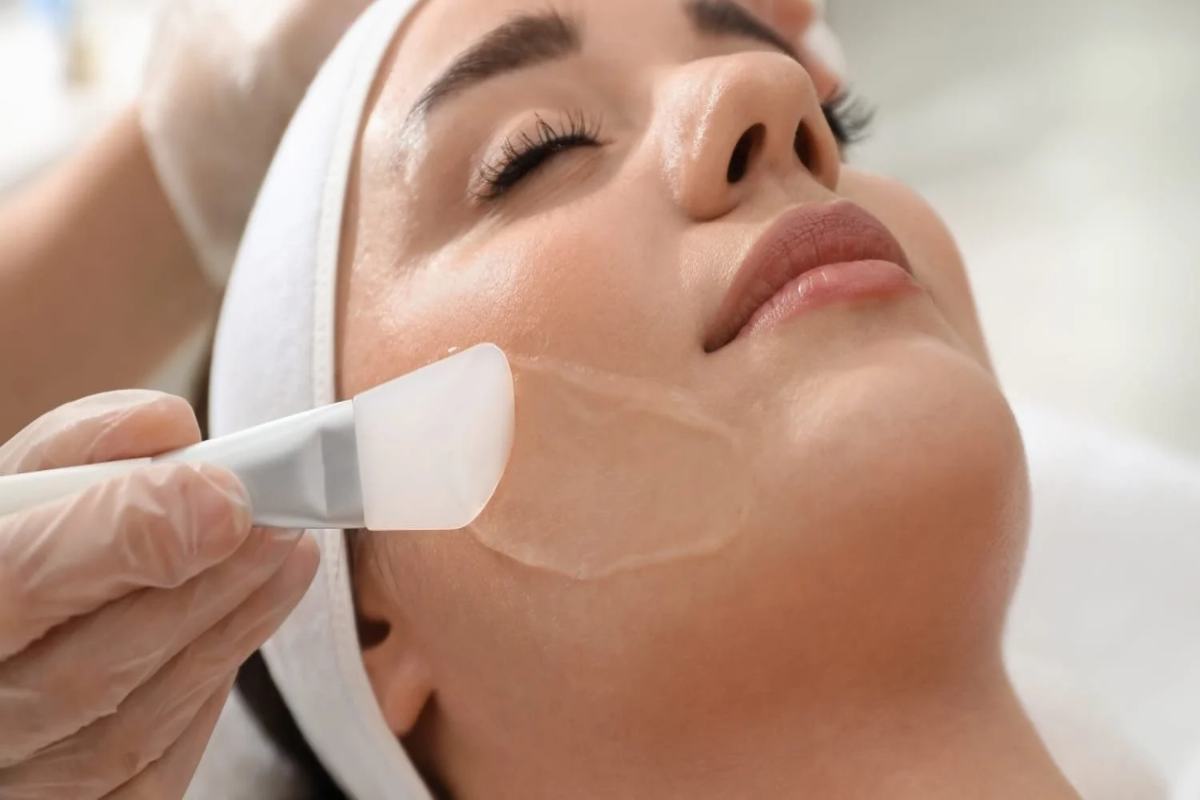
A typical glycolic peel appointment lasts between 30 and 60 minutes. The skin is first cleansed thoroughly to remove oil and debris. The glycolic solution is then applied evenly, and clients may feel a tingling or warming sensation.
The peel remains on the skin for a controlled period, depending on its strength and the individual’s tolerance. Once the desired effect is achieved, the solution is neutralized to stop the exfoliation process.
A soothing serum or mask is often applied afterward to calm and hydrate the skin.
Recovery and Downtime
Most people experience mild redness or sensitivity after a glycolic peel, similar to a light sunburn. These effects usually resolve within a day or two.
Stronger peels may cause light peeling or flaking for several days. This is a normal part of the skin renewal process and should not be picked or scrubbed.
Aftercare and Long-Term Maintenance
Essential Post-Peel Care
Aftercare is critical for protecting results and preventing complications. Gentle cleansing, frequent moisturizing, and daily sunscreen use are essential during the healing period.
Avoiding sun exposure, heat, and harsh products allows the skin to recover properly. Hydrating ingredients and calming formulas help support the renewal process.
Maintaining Results Over Time
Many people choose to schedule glycolic peels every four to six weeks to maintain results. Regular treatments support ongoing cell turnover and collagen production.
A consistent at-home skincare routine, combined with professional guidance, helps extend the benefits between treatments. Lifestyle factors such as hydration, nutrition, and stress management also influence skin health.
When to Plan Your Next Peel
The ideal frequency depends on skin type, goals, and how the skin responds. Ongoing communication with your aesthetician ensures treatments remain effective and comfortable.
Adjustments can be made over time as skin improves or sensitivities change.
A Smart Investment in Skin Health
Professional Glycolic Peel Services offer a proven way to improve skin texture, tone, and radiance without invasive procedures. When guided by experienced professionals and supported by proper care, glycolic peels deliver both immediate and lasting benefits.
By understanding the process, choosing the right provider, and committing to thoughtful aftercare, individuals can enjoy healthier, more vibrant skin that reflects consistent care rather than quick fixes. For many, glycolic peels are not just a cosmetic treatment, but a long-term investment in skin confidence and overall wellness.