

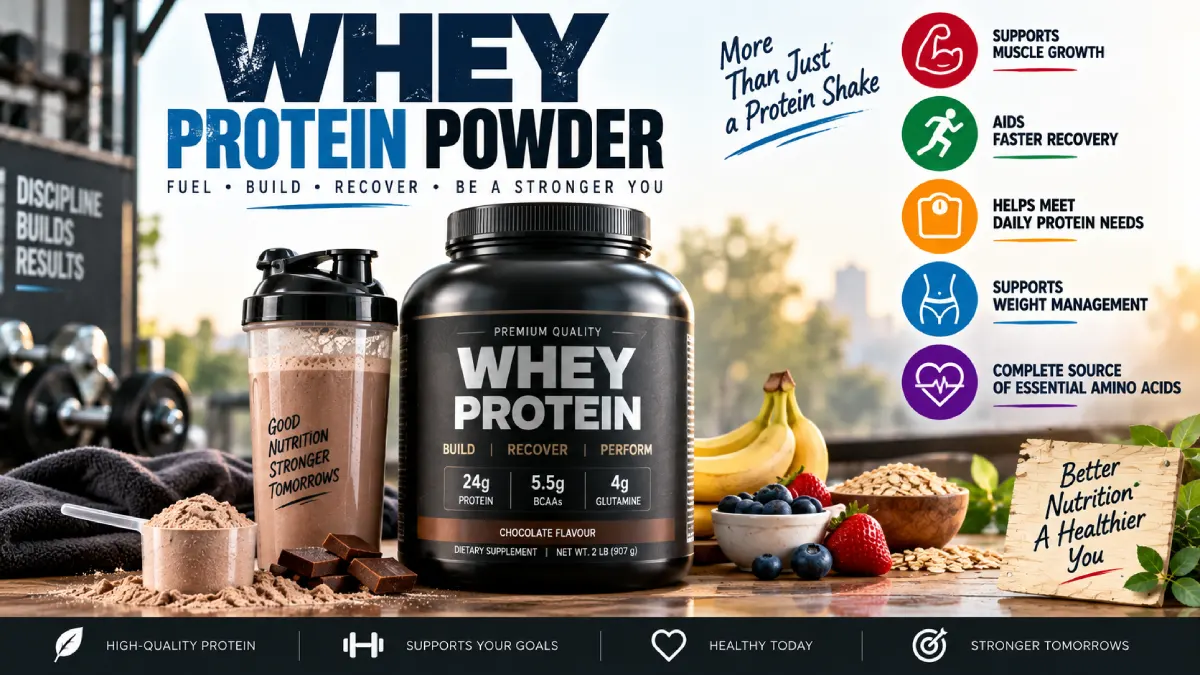
Last Updated: September 13, 2026
Milk powder is commonly used as a supplement by athletes and individuals wanting to boost their daily intake of protein. Whey protein is used, it is derived from milk and supplies all nine amino acids. Whey protein provides a convenient way to supplement protein into smoothies, shakes, oatmeal and in many other foods. However, that is not appropriate for all individuals, and one has to determine which is the best form for one‘s own needs based on athletic nutrition and health goals, diet, digestion, overall nutrition, etc. This guide informs about what whey protein is, 7 benefits of whey protein, various types of whey protein, how to use it, quantity to take, time to be consumed, disadvantages of whey protein and the purchasing requirements of a good powder.
What Is Whey Protein?
The other type of protein found in milk, is whey. When cheese is produced the whey is drained from the milk solids, and is then filtered and processed to produce whey protein powder. It also has amino acids such as BCAAS (Brached Chain Amino Acids), Leucine, Isoleucine, Valiine. Leucine is one of the most important amino acids in the stimulation of muscle protein synthesis.
What Is Whey Protein Powder Used For?
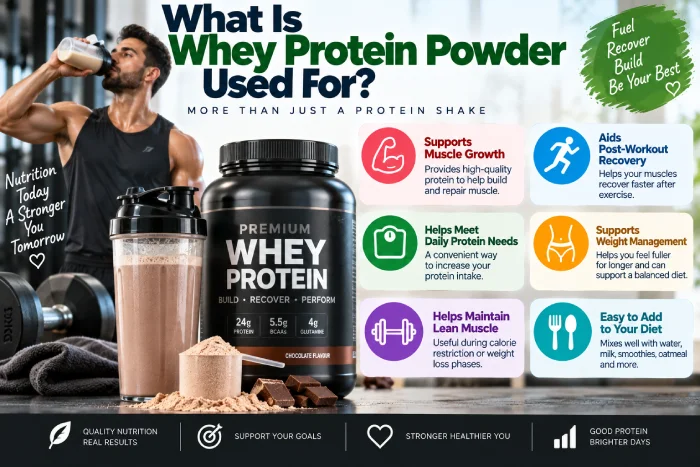
These protein powders are mainly used as a quick and easy way of providing protein in a diet.
People may use it to:
- A community study in New Zealand suggested that, for the elderly, daily protein intake should be increased.
- Increasing the size of your muscles to improve strength and physical performance.
- End supports the recovery of muscles after exercising.
- Helps preserve muscle while losing weight
- Let us add protein to the drinks, fruit and the crisps.
- Encounter increased protein needs
- Make easy high-protein shakes.
Whey protein is best consumed as part of a balanced diet and not in place of good nutritious food.
Potential Benefits of Whey Protein
1. Supports Muscle Growth
Protein provides the amino acids for muscle protein synthesis. In addition to resistance training and optimum total nutrition, sufficient protein consumption is conducive to muscle hypertrophy and adaptation. Whey is particularly effective because it is rich in both amino acids and leucine.
2. Supports Exercise Recovery
Exercise induces tissue repair and growth adaptation. Eating enough protein over the course of the day can help supply these amino acids. A whey protein shake is an easy post training option when you don‘t have much time to sit down for a meal.
3. Helps Meet Daily Protein Needs
Some individuals have trouble getting sufficient protein in their daily diet. Whey protein offers a convenient single serving ready to use.
For example, you can add protein powder to:
- Smoothies
- Milk
- Yogurt
- Oatmeal
- Pancake batter
- Homemade protein elixirs
4. May Help Preserve Muscle During Weight Loss
BeWormonitoredBy consuming an appropriate amount of protein while dieting, you can help to preserve lean mass. The combination of enough protein intake in conjunction with resistance training is usually more advantageous than supplementation alone.
5. May Help With Satiety
Proteins fill you up more than carbs or fats, so including proteins within your meals and snacks may help you to feel full up for longer, provided that your overall diet and portion sizes are appropriate.
Types of Whey Protein
Whey protein for different forms. There are three forms of whey protein:
Whey Protein Concentrate
Whey protein concentrate consists of protein and other nutrients in different concentrations. The % protein content can differ greatly from item to item.
Advantages include:
- As a general rule rather than a hard and fast rule: less refined than whey isolate
- General lower price point than other securesf If you are purely buying for financial product on its own, then a free service like this generally more relatively cheaper for all types of secure.
- Providing a complete protein source, thus good for building and repairing cells.
- Typically has a creamy consistency
Whey concentrate, however, is simply a more viable everyday alternative.
Whey Protein Isolate
Once the whey protein isolate is produced, more of the lactose, fat, and other components are eliminated through further processing. It generally has a larger proportion of protein comparatively.
Potential advantages include:
- More protein in the mixture.
- Lower levels of lactose.
- As we know high fat and carbohydrate foods take longer to digest so students should be mindful of this fact.
- Is a good option for those desiring a leaner protein source
Lactose intolerant individuals may find they do better on whey isolate than concentrate as a whole however, tolerance for the two varies.
Whey Protein Hydrolysate
The whey protein has been broken down to smaller protein fragments and are referred to as peptides in this sample. Perhaps more accepted by some, but also possibly a little more costly and no more significant a benefit to some.
Whey Concentrate vs. Isolate
| Feature | Whey Concentrate | Whey Isolate |
| Protein concentration | Moderate to high | Higher |
| Lactose | Usually more | Usually less |
| Fat | Usually more | Usually less |
| Processing | Less processed | More processed |
| Cost | Often lower | Often higher |
| Best for | Total amount of protein consumed | Hi, I am a bit new to the forum and am just trying to get familiar with the different threads. I am also looking for a product that has a higher protein content but less lactose/fat and was wondering if this product would be suitable. |
Is not necessarily one size fits all.
If you have no problems with dairy and can keep carbohydrates and/or fat at a reasonable level, then whey concentrate is pretty cheap.
Whey Protein vs. Plant Protein
Whey protein comes from milk, while plant proteins can come from causes such as:
- Peas
- Soy
- Rice
- Hemp
- Other legumes and grains.
Protein is also of a complete nature, and for the most part will supply a high amount of each essential amino acid. Plant proteins may well be efficacious, particularly if multiple sources are used or if one uses a combination of phytoprotein powders that have been carefully formulated.
How Much Whey Protein Should You Take?
No single whey protein dose.
Standard 100g packs of whey powder contain approximately 20 30g of protein, the amount differing depending on the make up of the individual product. The real question though, is really about the total amount of protein you need during the entire day.
Protein requirements depend on factors such as:
- Body size
- Age
- Activity level
- Training goals
- Overall diet
- Health status
Athletes and active individuals engaged in regular resistance training probably require increased protein intake. Rather than having one food (e.g. shakes) for most of your protein requirements, try to have the protein out throughout the day and in snacks.
Protein Intake for Muscle Building
Individuals that regularly undertake a resistance training program tend to consume more protein than the absolute minimum to avoid deficiency.. Exercise active adults should intake around 1.4–2.0 g of protein/day/kg body mass, depending on other factors in order to stimulate or sustain muscle. For example, a 70kg person would be aiming to have about 98–140grams of protein a day.
This total can come from:
- Meat
- Fish
- Eggs
- Dairy
- Legumes
- Soy
- Nuts
- Seeds
- Whey protein
- Other foods that are high in protein
Needs are not always the same, particularly if someone has a health condition.
When Is the Best Time to Take Whey Protein?
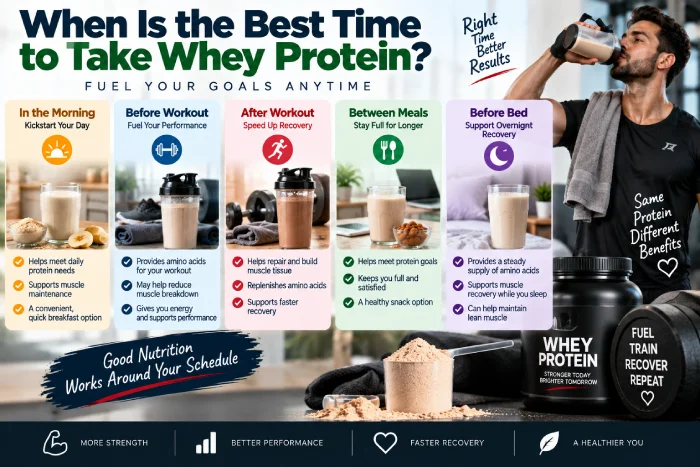
Whey protein is an all-round protein basis that can be taken any time of the day.
After Exercise
Drinking a protein shake after a workout is a quick and easy way to get up to your daily protein goal. But you do not have to consume whey right after your workout. The overall daily protein intake is of importance.
Before Exercise
For others it is better to eat protein before training as part of the meal.
Amid Meals
Whey protein can also be used when you need a fast, protein-rich snack.
At Breakfast
Adding whey protein to a breakfast smoothie or oatmeal is an easy way to boost the amount of protein within the meal.
Does Whey Protein Help With Weight Loss?
Whey protein is suitable for a weight-loss diet, just not as a fat burning supplement. The role of protein in enhancing satiety and maintaining lean body mass while calorie restricted Whey shakes can also serve as a good high-calorie replacement food option.
For weight loss, the bigger picture matters:
- Overall calorie intake, The census data suggested that survey participants were generally consuming a lower overall average calorie intake than average.
- Protein intake
- Fiber intake
- Food quality
- Physical activity
- Sleep
- Long-term consistency
Whey Protein and Muscle Recovery
Resistance training results in transient damage of the muscle and the initiation of adaptive process. Through protein you get the amino acids required for muscle repair and growth. Whey protein is beneficial post-exercise due to its quick digestive time and significant quantities of essential amino acids.
However, recovery also depends on:
- Adequate calories
- Carbohydrates
- Hydration
- Sleep
- adequate training volume
Whey Protein for Beginners
You don‘t need protein powder to become a beginner.
If you‘re starting a fitness program, first focus on:
- Eating a healthy and well-balanced meal.
- Whole foods sources of protein.
- The participants will have previously undertaken a standardized resistance-training program
- Getting enough sleep.
- Staying hydrated.
Whey Protein for Men
Whey protein can be beneficial for men looking to increase their overall protein consumption and to aid in the development of muscle tissue and retention of lean body mass. There is not a particular type of whey protein needed just for men. The required amount varies with body size, activity, food intake and target.
Whey Protein for Women
In addition, women can use whey protein for muscle retention and strength training, to aid in recovery or to increase overall protein consumption. However, whey protein is neither intrinsically a “men‘s” nor a “women‘s” supplement. The “right amount” varies by individual protein needs, not by sex.
Whey Protein for Older Adults
It is imperative that we maintain sufficient protein as we age and deteriorate in muscle mass and strength. Building muscle in conjunction with plenty of protein can lead to healthy aging and muscle maintenance. Whey protein can be a handy choice for seniors who are having trouble with getting adequate protein in their meals. People who suffer from any other illness including kidney disease that is recommended to limit protein intake should discuss with a health professional before eating a lot more.
Whey Protein and Lactose Intolerance
There is varying amounts of lactose in whey protein products. Whey concentrate has a higher percentage of lactose than the whey isolate. In fact, others who suffer from lactose intolerance may well be able to digest whey isolate. Although, severe intolerance will not prevent from experience symptoms. The digestive issues caused by dairy may, in the long run, lead to the recommendation of a lactose-free alternative protein or a plant-based protein supplement.
Whey Protein and Milk Allergy
Milk allergy can be described as a different condition than Lactose Intolerance. Someone who is allergic to milk protein could be allergic to whey as it is a milk protein. Even if you know for certain that you are allergic to milk, whey isolate or hydrolysate cannot be relied on as “safe.” Discuss alternative protein sources with the relevant health professional.
Possible Side Effects of Whey Protein
Most people tolerate whey protein well, but some may experience:
- Bloating
- Gas
- Stomach discomfort
- Nausea
- Diarrhea
- Constipation
Any effects observed could also be caused by the presence of: lactose, sweeteners, sugar alcohols or other food ingredients. Perhaps reducing the portion size or another formulation could be used.
How to Choose a Whey Protein Powder
It is hard to know which whey protein to buy with so many on the market (hundreds).
1. Check the Protein Per Serving
The true amount of protein is revealed by looking at the amounts of protein per serving.
2. Check the Ingredient List
An argument for a smaller ingredient list could be that the exact substance being ingested can be more easily understood.
3. Consider Added Sugar
Certain types of flavored protein powder are relatively high in added sugar.
Compare the nutritional labels if watching calories or sugar intake.
4. Choose the Right Whey Type
Consider:
- Concentrate
- Isolate
- Hydrolysate
Digestion, your objectives in terms of diet, your budget, and your tastes should also influence this decision.
5. Look for Quality Testing
Focus on high-quality manufacturers that will provide an adequate amount of quality-control information, or provide testing.
6. Check Serving Size
Big scoop does not equal big protein; check protein per serving and compare protein per calories when applicable.
How to Make a Whey Protein Shake
A simple protein shake can be made with:
- Approximately 10gwhey protein.
- Water or milk
- Ice
- Fruit, where required
For a more filling smoothie, you can add:
- Banana
- Berries
- Oats
- Greek yogurt
- Peanut or almond butter
- Chia seeds
The nutritional values will vary depending on what ingredients you add.
Whey Protein With Water vs. Milk
Whey Protein With Water
Using water:
- Holds calorie down
- fast, easy to use
- Creates a lighter shake
Whey Protein With Milk
Using milk:
- Provides more protein.
- Adds calories
- Results in a smoother, creamier consistency
- Also supplies extra nutrients
The decision can be made on the basis of individual dietary requirement.
Can You Take Whey Protein Every Day?
For normal adults whey protein is safe to use daily, providing it complements a well-balanced diet, along with overall daily protein requirements. But that does not mean that you need to have whey protein every day just because you exercise. There are days when you may be able to eat enough to make your protein requirements. Adequate nutrition is the aim; protein powder is not desirable for its own sake.
Can Whey Protein Damage the Kidneys?
People that are well consume enough protein so as not to damage kidney function. Despite this, there may be individual needs and/or limitations concerning protein intake. If have kidney disease, or mild to moderate impairment in kidney function, always consult your doctor if considering to boost protein intake considerably, or using a protein supplement.
Whey Protein and Hydration
Getting enough protein does not negate the necessity for sufficient fluid consumption. Hydrate as needed to satisfy your thirst; this varies depending on the amount of exercise you‘re doing, the weather, and your body. Fluid and electrolyte needs may be higher for individuals engaged in intense physical activity or significant sweating.
Whey Protein Storage
Store whey protein as directed on the packet.
Generally:
- Store in a cool dry environment.
- Store in a well sealed container.
- Keep moisture from getting in the container.
- Apply the product before the use by date.
Do not use any product if the smell, feel, or appearance is abnormal.
Final Thoughts
Whey protein powder is an easily consumable and economical source of protein to boost protein intake. It is a complete protein containing amino acids that may assist with muscle growth, exercise recovery, and retention of lean muscle.
Choosing the right whey protein will be based on your own requirements. Whey concentrate may be a good day to day choice as it is generally cheaper than the isolate protein, while whey isolate may be the best choice for anyone wanting to avoid lactose, fat or carbohydrates. Another type of whey available is hydrolyzed whey.
Finally, keep in mind that protein powder is just a supplement; it should not be the basis of the diet. Whole, nutritious food, frequent exercise, sleep and an overall appropriate protein consumption are key. In the case of renal disease, allergy to milk or other disease conditions, speak to the relevant health professional before supplementing the diet with a protein powder.