


Last Updated: September 15, 2026
The digestive system does far more than just digest your food. Your gut is actually one of the most densely populated parts of your body and is mostly made up of trillions of living microorganisms which respond to your specific diet and which contribute to digestion, nutrient absorption and many other functions. This is why gut health and good nutrition are so intertwined. Achieving a healthy gut doesn’t necessitate a costly supplement regimen, or a complex diet. For the average person, the likely best starting point is as simple as creating meals based on high fiber plant foods, plenty of fluid, fermented foods and a diversity of healthy ingredients.
What Is Gut or Digestive Tract Health?
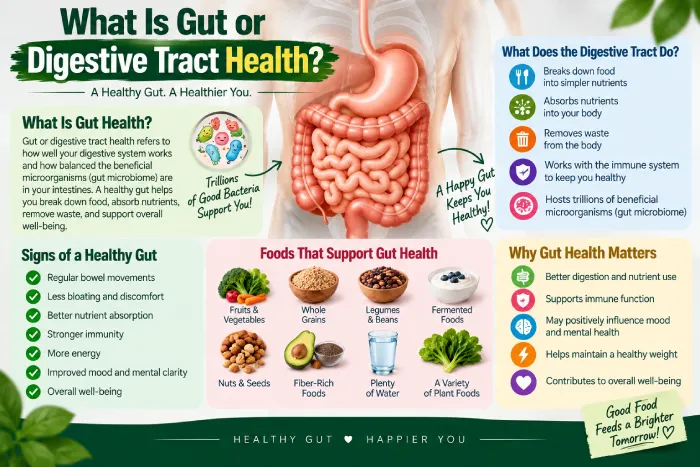
In terms of your body, gut health essentially refers to the health of your gastrointestinal system and how healthy or happy the microorganisms who reside within your gastrointestinal system are. The gut microbiome is just as implied, of a wide diversity in bacteria and other micro-organisms. Your food choices everyday will impact the environment. A broad diet with plenty of fruit and veg may provide different types of fiber and other compounds that could encourage a greater variety of bacteria to live in the gut. Additional factors potentially affecting gut health are lifestyle factors like exercise, sleep/stress levels and medication use.
Eat More Fiber
Fiber is one of the most significant nutrients to keep in mind when focusing on the health and nourishment of the gut. While many other carbohydrates, some forms of fiber are not completely digested in the small intestine. They can transit to the colon where the gut microbes may utilize them.
Good sources of nutritional fiber include:
- Oats
- An 80 g portion counts as 1 Serving.
- Chickpeas
- Apples and pears
- Berries
- Broccoli
- Carrots
- Leafy vegetables
- Of nuts and seeds
If you normally don‘t eat much fiber, then introduce it gradually. (Suddenly eating a lot of fiber might make you bloaty or uncomfortable.)
Include a Variety of Plant Foods
If you are just going to eat the same few vegetables all the time at least you are getting some, and there can be more variety to change parts of your nutrients and fibers. And also try to eat a variety of fruits, vegetables, beans and whole grains, as well as nuts and seeds in your weekly eating. Every plant food contains a unique blend of certain fiber and plant chemicals. A colorful round plate would maybe be an easier way to help us remember to take a little bit of each.
Consider Fermented Foods
Some fermented foods may contain living micro-organisms as a result of specific manufacturing processes and storage environments. Examples of foods that might contain the beneficial bacteria while still being micro-organisms are yogurt (for those containing live cultures), kefir, sauerkraut, kimchi. Traditional fermented foods. Adding them into a healthy balanced diet may provide some variety, but bear in mind it is not the case that every fermented food contains living cultures, so it is worth checking labels. For those of you who are new to consuming ferments, start slow, and see how your body responds.
Stay Hydrated
Water. Necessary for good digestion that is to be used when throughout the raising of fiber. Drinks should be encouraged. Make water your beverage of choice any time you need a drink during the day. Any time you eat, vegetables, fruits, or soups adds to your total fluid intake. The demand for fluids is variable and depends upon activity, climate, size, health, etc. at the individual level.
Choose Whole Foods More Often
No deny, very processed foodscan be part of the general balanced diet, but having so much processed foods is likely to decrease the consumption of high-fiber and nutrient dense food. Nigam suggests that you have the all these foods as much as you can such as beans, lentils, veg, fruits, nuts, seeds, chicken, fish, whole grains and unprocessed foods etc while trying to have most of your meals. Simple foods are effective, such as brown rice with vegetables and lentils providing fibre, carbohydrate and vegetarian protein without the need for elaborate preparation.
Limit Excessive Added Sugar and Highly Processed Foods
Including chocolate, biscuits, cakes, crisps and takeaways. You don‘t have to cut all these out but try to make it once in a while instead so you can have plenty of fibre and other healthy foods. When considering rules for eating food I would suggest considering what to include instead. Increasing vegetables, fruit, pulses, grains and nuts in the diet can be helpful in achieving higher quality eating habits.
Don’t Forget Protein
Protein isn‘t an all round “gut health food”, but it does form a major part of a balanced diet as your body requires protein in order to maintain and repair tissues and to carry out many essential functions. Serve a variety of protein foods including fish, eggs, yogurt, chicken and other meats, beans and lentils, tofu and nuts. Combine protein with high fiber foods together to give a more filling, wholesome meal.
Listen to Your Digestive System
Digestive systems react differently to various foods. Some may have no trouble with beans, dairy products, spicy foods or vegetables, while others may really struggle with them. Maintaining a basic food and symptom diary can be useful in identifying potential offenders if specific foods are repeatedly associated with digestive symptoms. But, doing this to such a wide range of food without the support of a health care professional may be difficult to maintain and keep your nutritional requirements fulfilled.
Lifestyle Matters Too
Nutrition is only one factor of the gut. Adequate sleep, exercise, effective stress control and proper medication use may also be elements of digestive health. Eating slowly and in a relaxed manner may also make eating less stressful. You may find that your general diet is more important than eating that one “super food.”
When to Seek Professional Advice
I wouldn‘t want to end up saying well if you feel slightly indigestion now and then ignore it, but if you continue to suffer with any or other combination of symptoms then you shouldn‘t assume this is due to an unhealthy gut. So if you suffer from any one of abdominal pain, unexplained weight loss, blood in stool, consistent diarrhea / constipation, vomiting or an abnormal change in bowels then seek medical help.
Consult your doctor or registered dieteticN in identifying whether an underlying illness/food intolerance is maybe to blame for your symptoms.
Final Thoughts
Gut health and nutrition go together. Eat a large amount of different plant foods, a on-going increase in fibre, drink plenty of fluids, include healthy protein foods, and think about fermented foods that contain live cultures.
Achieving perfect gut health is not about having nor is it about taking supplements; rather it is about building a strong foundation on which Afeeding and functioningA well can be built, which requires everyday habits, including a wholesome diet..