


Mohd Arbaaz is an Editor and Writer at Fitnessison.com with 5 years of experience in SEO and digital content creation. He creates informative, reader-focused content covering fitness, workouts, nutrition, health, healthy lifestyle, technology, and computers.

Shashi Teja is a Reviewer at Fitnessison with over 6 years of experience in SEO, content strategy, digital publishing, and content optimization. He reviews content for clarity, research quality, topical relevance, readability, structure, and overall usefulness to readers.
Last Updated: September 8, 2026
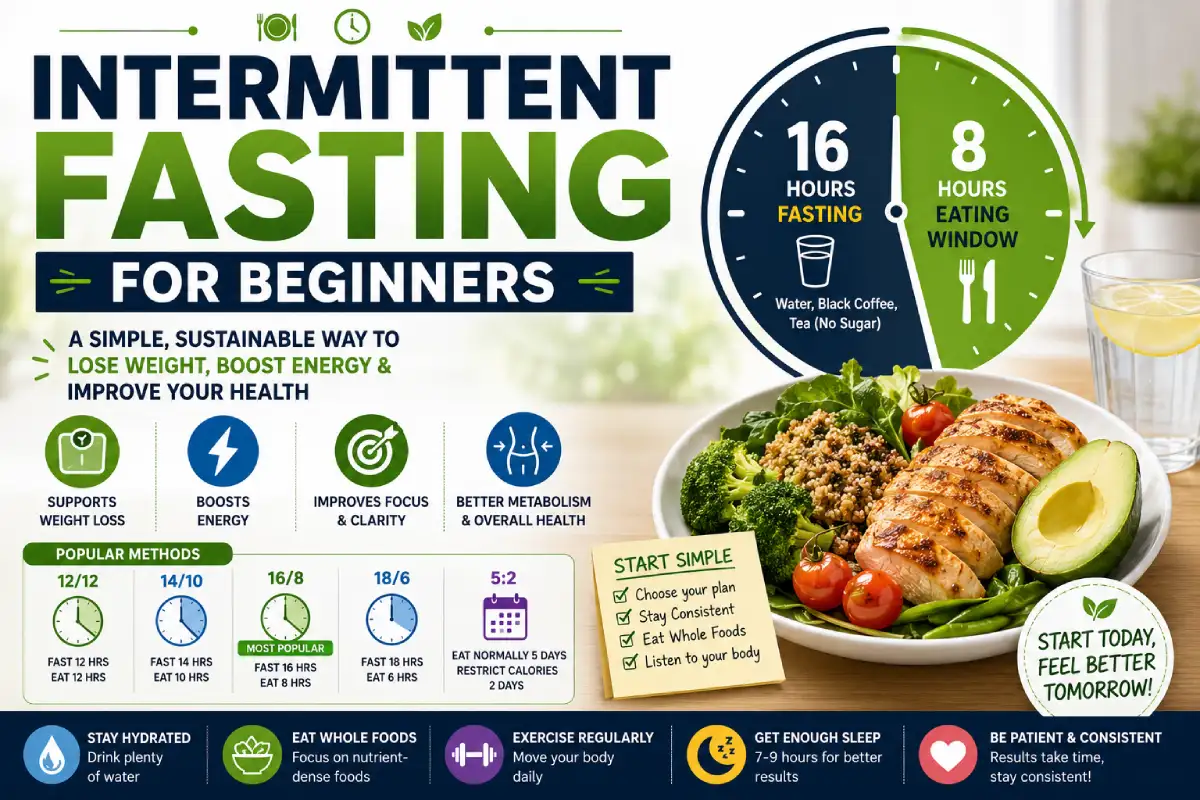
Intermittent fasting beginners is most gentle and flexible eating tactics to healthy eating, losing weight and getting the healthier life Intermittent fasting is not a diet which bans specific foods but when to eat not what to eat.
Intermittent fasting does not require complex meal planning or calorie counting so may appear less restrictive than other diets to some first-time users. Simply eat normally during your eating window and fast alternately.
Whatever your reason may be for looking to manage your weight, increase your energy or just to make your day-to-day life a little easier, this in-depth guide will show you how intermittent fasting works and how to get started.
What Is Intermittent Fasting?
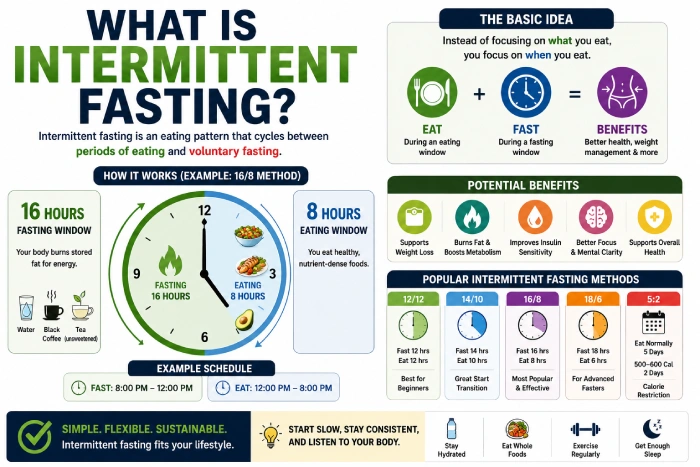
Intermittent fasting (IF) is a plan that involves cycling between periods of fasting and eating. How you eat through fasting is nothing food or drink with calories, although you do stay hydrated with water, black coffee or plain tea. To establish detailed eating routines which may possibly help in controlling calories and health.
How Does Intermittent Fasting Work?
After only a few hours of not eating, your body is beginning to use your body‘s glucose supplies more efficiently.
During fasting:
- The levels of insulin fall.
- Glycogen stored in the muscle is slowly utilized.
- The body starts to slowly lose muscle and instead use the stored fat for energy.
- They‘re hunger hormones might be able to be balanced….
- Many people tend to eat less naturally.
Remember, making good food choices and eating an energy controlled diet are still essential for long term weight control.
Benefits of Intermittent Fasting for Beginners
Supports Weight Loss
It is common that many beginners unintentionally cut calories simply by eating in a more condensed time span.
Simplifies Meal Planning
Having fewer meals also simply involves less work in the kitchen and more convenient day to day life.
May Improve Insulin Sensitivity
There have been studies which show that some people may benefit from insulin sensitivity by applying Intermittent fasting in some terms.
Encourages Mindful Eating
Eating windows that are more structured and regulated can eliminate the unnecessary grazing that people tend to do, leading to more conscious food choices.
Fits Busy Lifestyles
Intermettment fasting is pretty flexible and it can be conveniently tailored to working schedules, family life as well as everyday fitness.
Popular Intermittent Fasting Methods
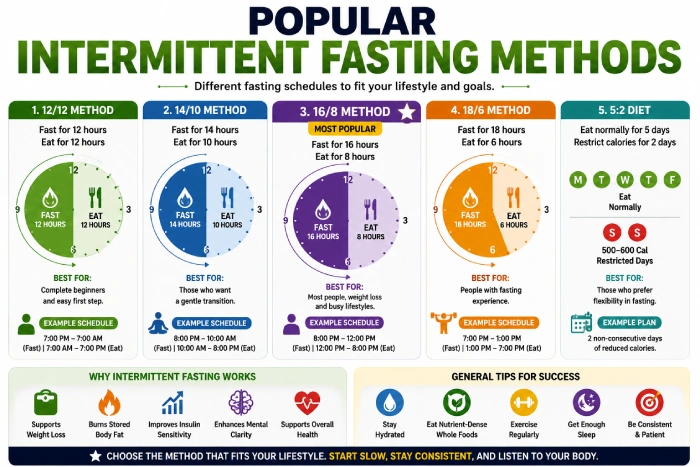
12/12 Method
- Fast for 12 hours
- Eat up to 12 hours of the day
This is frequently the best place to begin:
14/10 Method
- 14 hour fast
- Eat within a 10-hour frame
A good starting point is doing a one or two day fast (still a relatively short fast) after a couple of weeks.
16/8 Method
- Encrypting for 16 hours
- Eat all you want in the 8 hour period
The best known plan for approaching intermittent fasting for those new or experienced in the field.
18/6 Method
- Fast for 18 hours
- Eat within a six hour period.
More appropriate for those with prior fasting experience.
5:2 Method
Eat a normal amount of food in five days of the week and lower your calorie intake enormously on two other days non consecutively.
Choosing the Right Fasting Schedule
Just pick one that is appropriate for you and not just getting yourself into a pattern that is difficult to follow.
For example:
| Lifestyle | Suggested Method |
| Complete Beginner | 12/12 |
| Busy Professional | 16/8 |
| Shift Worker | Flexible Time Window |
| Experienced Faster | 18/6 |
The important thing to note here is that consistency, not the length of your fast, is more crucial.
Foods to Eat During Your Eating Window
A varied intake of this kind should provide most of the nutrients the body needs and help make a good solid diet. Pay attention to the health messages passed on to you and learn how to make healthy selections in choosing a diet.
Lean Protein
- Chicken
- Fish
- Eggs
- Greek yogurt
- Beans
- Tofu
Complex Carbohydrates
- Brown rice
- Oats
- Quinoa
- Sweet potatoes
- Whole grains
Healthy Fats
- Avocados
- Nuts
- Seeds
- Olive oil
Fruits and Vegetables
Select a number of wild and plain fruits and vegetables rich in fiber, vitamins and minerals.
Drinks Allowed While Fasting
Most fasting plans allow:
- Water
- Carbonated water (not sweetened)
- Black coffee
- Green tea
- Herbal tea (unsweetened)
Avoid any kind of sugary drinks during your fast period.
Sample Beginner Meal Plan
First Meal
- Grilled chicken
- Brown rice
- Mixed vegetables
Snack
- Greek yogurt
- Mixed berries
- Almonds
Dinner
- Baked salmon
- Sweet potato
- Broccoli
Evening
- Herbal tea
- Water
If you normally eat breakfast, breakfast is the last time you will eat today. Do so at least 10 hours prior to your planned fasting time. For this example, 6:00 A.M. is the time you will eat.
Beginner Tips for Success
Start Slowly
Start with a 12 hour fast and build up length of time fasting if it feels okay.
Stay Hydrated
Ensure to keep drinking water all day long because drinking water prevents hunger and keeps your body hydrated.
Eat Enough Protein
Protein stabilizes muscle and also keeps you full.
Prioritize Whole Foods
Nutrient dense foods: Prioritize foods with high nutrient levels with less intrinsic processing. Use as Few ingredients as possible if buying non-tin canned/packaged food.
Get Quality Sleep
Sleep around 7 to 9 hours per night, as it will help your recovery and appetite control.
Stay Consistent
Following the same schedule most days is better than changing your schedule constantly.
Common Mistakes Beginners Should Avoid
Avoid these common pitfalls:
- Begin with excessively prolonged fasting periods:
- Eating window: Overnutrition caused by eating out of the window.
- Not be properly hydrated ( not drinking enough water )
- Selecting a lot of processed foods
- Skipping meals that are high in protein, for example, eating less regularly or not eating sufficient amounts of vegetables and fruit.
- Disregard for hunger and fatigue signals
- Expecting overnight results
Has a more favorable long-term result when they are Patient and Consistent
Can You Exercise While Intermittent Fasting?
Certainly. A number of beginners have successfully combined intermittent fasting with exercise.
Suitable options include:
- Walking
- Strength training
- Yoga
- Cycling
- Light jogging
Test out the time of day you work out to see which time of day seems to work best.
Who Should Avoid Intermittent Fasting?
If you do find that intermittent fasting doesn‘t work for you, though, we‘re aware that it‘s not going to be for everyone.
Consult a healthcare professional before starting if you:
- Are pregnant or breastfeeding.
- Have diabetes or issues with your blood sugar.
- Take medications whose effect is modified by the time of meals
- Have a history of eating disorders
- Specify if there are any other medical problems which involve eating three meals a day
Safety Tips
To fast safely:
- Eat adequate amounts of water.
- Break your fast with a variety of balanced foods.
- NO BINGE EATING.
- Use body awareness if you need to pace yourself, do so.
- Progressively extend the duration of fasting.
- Do not go without eating if you do not feel well and consider stopping fasting and visiting your doctor.
Frequently Asked Questions
Q1) Is intermittent fasting safe for beginners?
Intermittent fasting for other healthy adults might be safe on condition that it is started slowly and with a healthy diet. Please talk to you doctor if you are on medication or have a known medical state.
Q2) Which intermittent fasting method is best for beginners?
The reason why is because because are the most common and as you can see are the easiest to perform.
Q3) Can I drink coffee while fasting?
Yes. Black coffees Nothing added is ok. No sugar or milk, cream, etc.
Q4) How long does it take to see results?
Results are also going to depend a lot on diet, and exercise level, sleeping and dedication. Some will see results in 2 weeks and others longer.
Q5) Do I need to count calories?
No, but if you are trying to shed some pounds then it will be to your advantage to be aware of your calorie intake.
Conclusion
Intermittent fasting is a simple method of learning the control of eating, controlling weight and saving time preparing meals for a newcomer. Thus, by choosing to fast, emphasizing on nutrition packed foods, having appropriate water intake, and following the new pattern consistently, the novice can establish a new pattern. This should be combined with exercises, sleep and diet.