

Mohd Arbaaz is an Editor and Writer at Fitnessison.com with 5 years of experience in SEO and digital content creation. He creates informative, reader-focused content covering fitness, workouts, nutrition, health, healthy lifestyle, technology, and computers.

Shashi Teja is a Reviewer at Fitnessison with over 6 years of experience in SEO, content strategy, digital publishing, and content optimization. He reviews content for clarity, research quality, topical relevance, readability, structure, and overall usefulness to readers.
Last Updated: May 7, 2026
When you work out, you probably focus on your form, reps, and intensity, but how often do you think about your breathing? The way you breathe during exercise plays a huge role in how well you perform and how your body feels afterward. Poor breathing habits can quietly hold you back and may even affect your lung health over time. Let’s take a closer look at how your breathing might be helping or hurting your fitness journey.
Why Breathing Matters in Fitness
Your body relies on oxygen to produce energy. Every movement you make during a workout depends on how efficiently oxygen reaches your muscles. When you breathe properly, your body can perform better, recover faster, and feel less fatigued. Good breathing helps you:
- Maintain stamina during cardio
- Stay strong and stable during strength training
- Recover quicker between sets
When your breathing is off, everything else starts to feel harder. You may feel tired sooner or struggle to keep up your pace.
Common Breathing Mistakes People Make During a Workout
Many people do not realize they are breathing incorrectly during workouts. These habits can reduce your performance and place unnecessary stress on your body over time.
Holding Your Breath
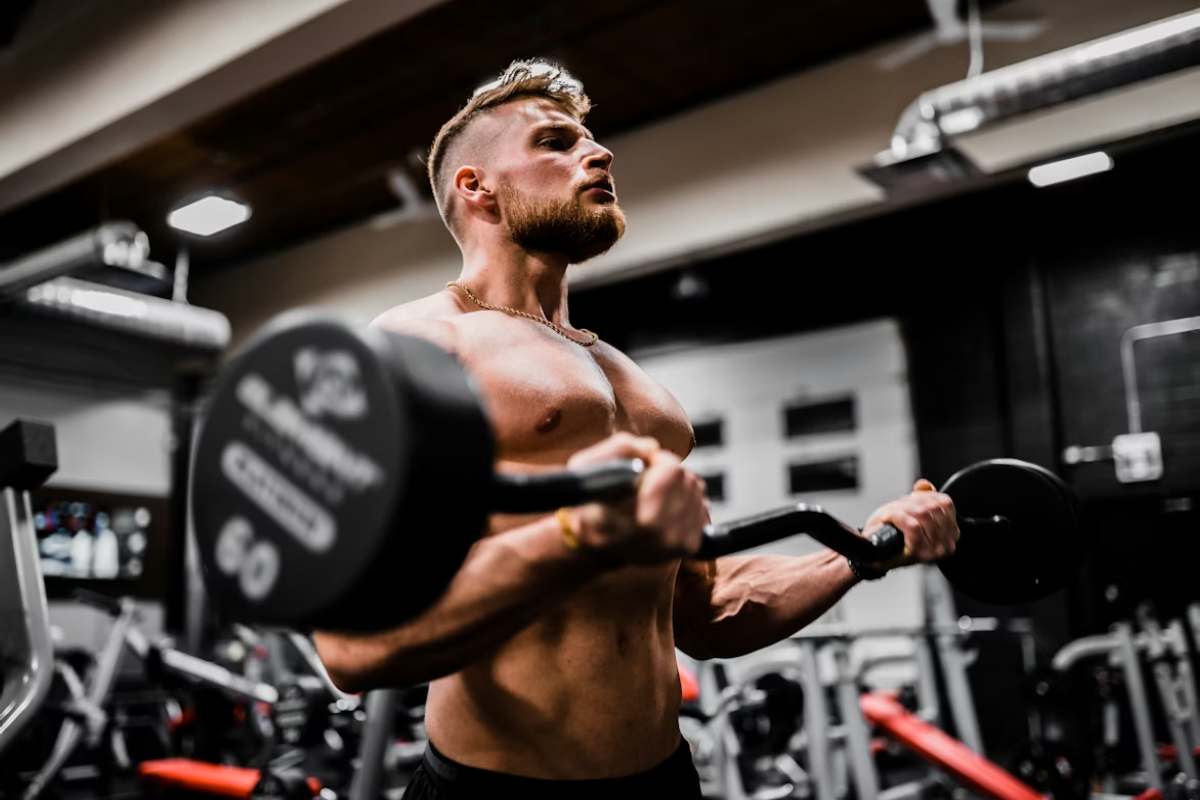
Holding your breath during exercises like lifting weights is more common than you might think. This happens when you are trying to stabilize your body or push through a difficult rep.
While it may feel helpful in the moment, it can increase internal pressure and affect how oxygen circulates in your body. Since breathing is essential for gas exchange and oxygen delivery, disrupting it can reduce efficiency and strain your system.
Shallow Chest Breathing
Shallow breathing limits how much oxygen your body can take in because it does not fully engage your diaphragm. This means your muscles receive less oxygen, which can make you feel tired more quickly. Over time, this habit can also reduce your lung efficiency and endurance.
Irregular Breathing Patterns
When your breathing is inconsistent, your body struggles to maintain a steady rhythm during exercise. This often happens during intense workouts when you lose focus or push beyond your comfort zone.
Studies on athletes show that breathing patterns are closely linked to respiratory function and overall performance. Keeping a steady breathing rhythm helps your body stay balanced and perform more efficiently.
Overbreathing (Hyperventilation)
Breathing too quickly or too deeply can throw off the balance of oxygen and carbon dioxide in your body. This may lead to dizziness, lightheadedness, or even a drop in performance. It is especially common in high-intensity workouts where you are trying to keep up with the pace.
The Right Way to Breathe During Exercise
Improving your breathing is simple once you are aware of it. Keep these few things in mind when performing different exercises:
- Strength training: Breathe out when you exert effort, such as pushing or lifting. Breathe in when you release. This helps keep your body stable and reduces strain.
- Cardio workouts: Try to keep your breathing steady and rhythmic. For example, you can match your breaths to your steps while running. This helps you stay in control and avoid early fatigue.
- Yoga and low-impact exercises: Focus on slow, deep breathing. Let your belly expand as you inhale and relax as you exhale. This improves oxygen flow and keeps you calm.
- Core exercises: Controlled breathing supports your core and protects your spine. Avoid holding your breath during movements like planks or crunches.
Can Poor Breathing Actually Harm Your Lungs?
Poor breathing habits may not seem like a big deal at first, but over time, they can affect your body more than you think. Straining your breathing during workouts can put extra stress on your respiratory muscles. It can also reduce how efficiently your lungs work.
You might also miss early signs of a problem. Shortness of breath or chest discomfort can be brushed off as normal workout fatigue, even when something else is going on. Your environment matters too. Exercising in areas with poor air quality, whether outdoors or in a poorly ventilated gym, can increase the strain on your lungs.
When Breathing Issues Might Be a Warning Sign
It is important to pay attention to how your body feels. If you notice any of the following signs, do not ignore them:
- Shortness of breath that does not improve
- Tightness in your chest
- Feeling unusually tired during simple workouts
These symptoms are not always related to fitness. Sometimes they can point to underlying health concerns. In some cases, breathing difficulties may be linked to environmental or occupational exposure rather than just workout habits. If you are concerned about long-term lung health or believe your condition may be connected to exposure risks, you can learn more about your legal options here: https://www.lungcancergroup.com/legal/.
Endnote
Breathing is something you do all the time, but it is easy to overlook during exercise. When you pay attention to it, you can improve your performance, feel more in control, and support your overall health. The next time you work out, take a moment to notice your breathing. A small adjustment today can lead to better results and a healthier body over time.