

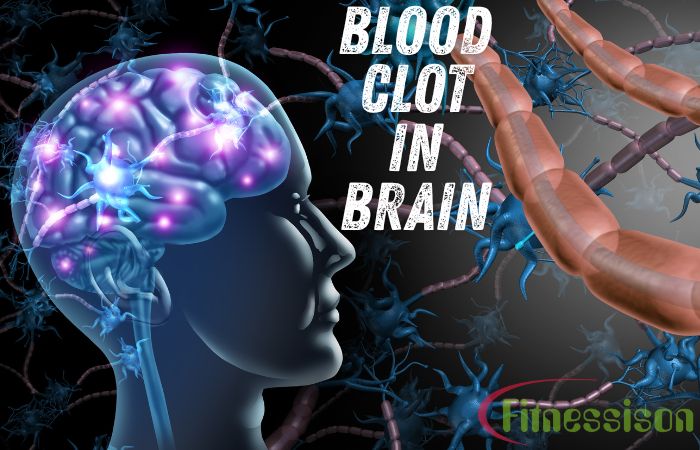
A blood clot in the brain is a serious medical condition that needs immediate attention. It can affect your speech, vision, movement, memory, and overall brain function. If not treated quickly, it may lead to long-term brain damage or even become life-threatening.
In this complete guide, I’ll walk you through everything you need to know — from symptoms and causes to diagnosis, treatment, and recovery.
What Is a Blood Clot in the Brain?
A blood clot in the brain happens when blood flow is blocked by a thick, jelly-like mass. This can stop oxygen from reaching the brain cells, causing them to die rapidly.
This condition is also commonly referred to as:
- Brain stroke
- Cerebral thrombosis
- Brain embolism
- Ischemic stroke
A clot can form inside the brain’s blood vessels (thrombosis) or travel from another part of the body (embolism).
Types of Blood Clots in the Brain
Understanding the type of clot helps in choosing the right treatment.
1. Cerebral Thrombosis
A clot forms directly inside the brain’s blood vessel due to plaque buildup or artery damage.
2. Cerebral Embolism
A clot travels from another part of the body — usually from the heart or neck — and gets stuck in a brain artery.
3. Cerebral Venous Sinus Thrombosis (CVST)
A rare condition where a clot forms in the veins that drain blood from the brain.
Causes of a Blood Clot in the Brain
A blood clot can develop due to multiple health conditions and lifestyle factors. Some common causes include:
1. High Blood Pressure
Uncontrolled BP can damage arteries, making them more likely to clot.
2. High Cholesterol
Fat buildup narrows blood vessels, slowing down blood flow.
3. Heart Conditions
Such as:
- Atrial fibrillation
- Heart valve disease
- Heart failure
These conditions can cause clots to form and travel to the brain.
4. Diabetes
Increases inflammation and damage to blood vessels.
5. Smoking
Thickens the blood and damages arteries.
6. Obesity & Lack of Exercise
Slows circulation and increases clot risk.
7. Blood Disorders
Conditions like thrombophilia can cause excessive clotting.
8. Head Injury or Trauma
Can trigger internal bleeding and clot formation.
9. Hormonal Factors
Birth control pills or hormone therapy may slightly increase the risk.
Common Symptoms of a Blood Clot in the Brain
Symptoms appear suddenly and require emergency action.
The FAST rule is the easiest way to identify stroke symptoms:
F – Face Drooping
One side of the face becomes numb or droops.
A – Arm Weakness
Sudden weakness or numbness in one arm or leg.
S – Speech Difficulty
Slurred or confused speech.
T – Time to Call Emergency
Every minute matters — call immediate medical help.
Other Symptoms Include:
- Sudden, severe headache
- Dizziness or loss of balance
- Blurred or double vision
- Confusion or memory trouble
- Seizures
- Difficulty walking
- Vomiting
- Loss of consciousness
If these symptoms appear, don’t wait — get medical attention right away.
How Serious Is a Blood Clot in the Brain?
Very serious.
A clot reduces or blocks blood flow, depriving the brain of oxygen. Brain cells begin dying within minutes.
Delaying treatment increases the risk of:
- Paralysis
- Permanent brain damage
- Speech impairment
- Memory loss
- Death
Quick treatment can save the brain and greatly improve recovery.
How Doctors Diagnose a Blood Clot in the Brain
When a patient reaches the hospital, doctors perform emergency tests such as:
1. CT Scan (Computed Tomography)
Detects clot location and rules out bleeding.
2. MRI Scan
Gives detailed images of the brain tissues and vessels.
3. CT Angiography / MR Angiography
Shows blood vessel blockages.
4. Blood Tests
Checks clotting factors, sugar levels, cholesterol, etc.
5. ECG/Echo
Checks the heart for clots or irregularities.
Treatment for a Blood Clot in the Brain
Treatment depends on how early the patient arrives at the hospital.
1. Clot-Busting Medication (Thrombolytics)
Medicines like tPA (tissue plasminogen activator) dissolve the clot.
- Must be given within 3–4.5 hours of symptom onset
- Very effective if given on time
2. Mechanical Thrombectomy
A minimally invasive procedure where a specialist removes the clot using a catheter.
- Works even after the 4.5-hour window
- Used for large artery blockages
3. Blood Thinners
Doctors may prescribe:
- Heparin
- Warfarin
- Aspirin
- Anticoagulants
These prevent further clot formation.
4. Surgery (Rare Cases)
Performed if:
- There is swelling in the brain
- The clot cannot be removed with medication
- There is internal bleeding
5. Rehabilitation
After treatment, patients might need:
- Physiotherapy
- Speech therapy
- Occupational therapy
- Memory exercises
Rehabilitation helps recover movement, speech, and daily functions.
Recovery from a Brain Blood Clot
Recovery depends on:
- How soon treatment was given
- Size and location of the clot
- Patient’s age and health
Most patients recover faster if they:
- Start therapy early
- Follow medication routines
- Control blood pressure & sugar
- Avoid smoking and alcohol
- Maintain a healthy lifestyle
Brain recovery can take weeks to months, but early action improves the chances of full recovery.
How to Prevent a Blood Clot in the Brain
Good news: most risk factors are preventable.
Here’s how you can reduce your risk:
- Control blood pressure
- Keep cholesterol levels in check
- Maintain a healthy weight
- Exercise regularly
- Quit smoking
- Limit alcohol
- Manage diabetes
- Stay hydrated
- Reduce stress
- Take blood thinners if prescribed by a doctor
These habits significantly reduce clot risks.
When to See a Doctor?
Visit a doctor immediately if you experience:
- Sudden weakness
- Speech difficulty
- Vision problems
- Severe headache
- Unexplained dizziness
Even mild symptoms should not be ignored — early diagnosis saves lives.
FAQs About Blood Clots in the Brain
1. Can a brain blood clot be cured?
Yes. With timely treatment, a clot can be dissolved or removed.
2. How long can someone live with a blood clot in the brain?
It depends on how quickly they get treatment. Fast treatment leads to better outcomes.
3. What is the survival rate?
Most patients survive if treated within a few hours of symptoms.
4. Do blood clots always cause stroke?
Most do, but some may cause temporary symptoms known as TIAs (mini-strokes).
5. Can young people have brain clots?
Yes. Clots can happen at any age due to lifestyle or medical conditions.
Final Words
A blood clot in the brain is a medical emergency, but knowing the early signs and getting immediate treatment can save a life. Awareness, quick action, and healthy habits are key to preventing this dangerous condition.