
Mohd Arbaaz is an Editor and Writer at Fitnessison.com with 5 years of experience in SEO and digital content creation. He creates informative, reader-focused content covering fitness, workouts, nutrition, health, healthy lifestyle, technology, and computers.

Shashi Teja is a Reviewer at Fitnessison with over 6 years of experience in SEO, content strategy, digital publishing, and content optimization. He reviews content for clarity, research quality, topical relevance, readability, structure, and overall usefulness to readers.
Last Updated: September 17, 2026
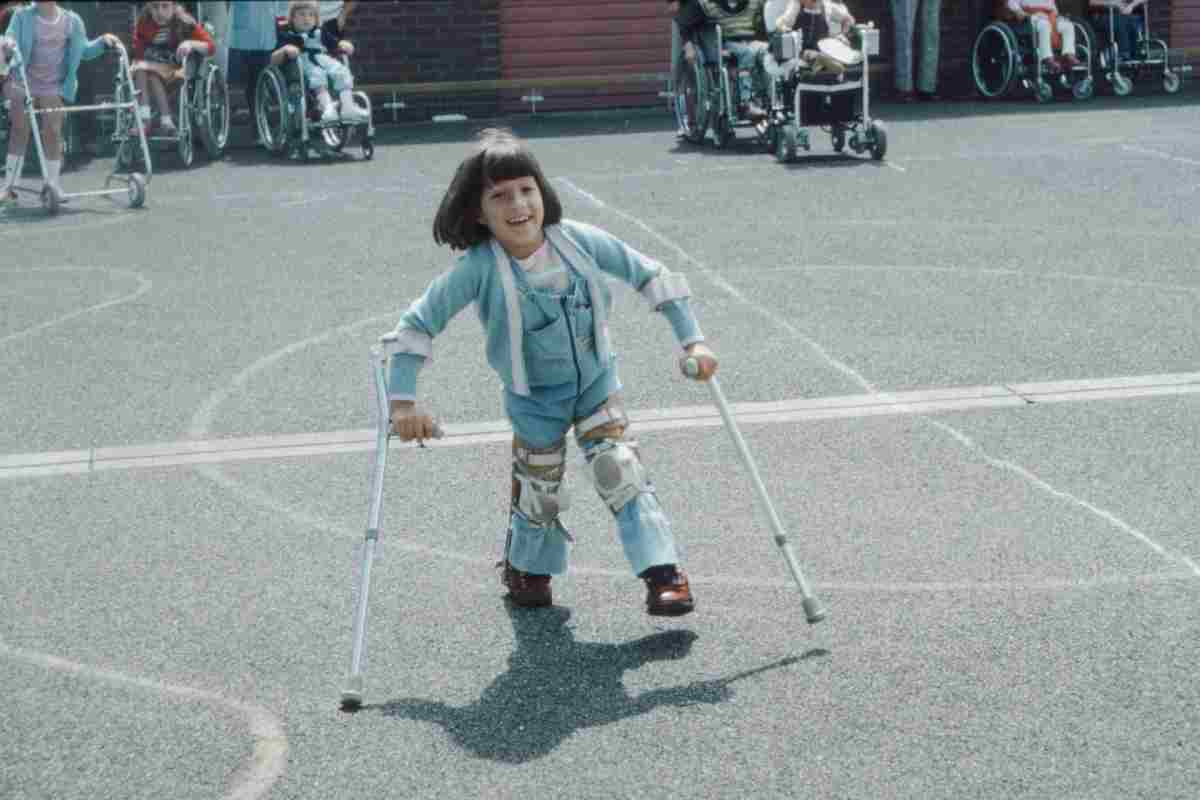
Movement isn’t optional for kids. It’s how kids learn, build confidence, and connect with the world. You can see this in the way a child lights up while moving, whether it’s when running, stretching, or even just swaying to music. For children with motor disabilities, that need doesn’t change. What changes is how movement is supported, and that’s where adaptive fitness comes in.
What is Adaptive Fitness?
Adaptive fitness is simply exercise that’s adjusted to fit a child’s abilities. It’s not a watered-down version of regular workouts, rather, it’s a smarter approach. Instead of focusing on limitations, adaptive fitness asks questions like:
- What can this child do?
- How can we make movement safer and more enjoyable?
- What small changes will help them participate fully?
Programs are often tailored for children with conditions like cerebral palsy, developmental delays, or mobility challenges. Understanding classifications like the types of cerebral palsy can help caregivers and trainers choose exercises that match a child’s specific needs. When done right, adaptive fitness improves the following:
- Strength and posture
- Balance and coordination
- Confidence and independence
- Social interaction and emotional well-being
Common Movement Challenges to Consider
Not every child faces the same physical barriers. Some deal with muscle stiffness, others with low muscle tone or balance issues. Here are a few common challenges:
- High muscle tone (stiffness): Movements may feel tight or restricted
- Low muscle tone (floppiness): Muscles may lack strength and stability
- Poor coordination: Difficulty controlling movement smoothly
- Balance issues: Higher risk of falls or instability
- Limited mobility: Use of walkers, crutches, or wheelchairs
These challenges don’t stop a child from being active, they just determine how activities are designed.
Safety First: Simple Principles That Matter
Before jumping into exercises, safety should guide every decision. However, it should be in a thoughtful way rather than being restrictive. Here are some few tips that work well:
- Start slow: Focus on form, not speed
- Use support when needed: Chairs, walls, or a caregiver’s help
- Short sessions count: 5–10-minute bursts throughout the day work well
- Watch for fatigue: Tired muscles can increase injury risk
- Encourage choice: Let kids pick activities; they’ll stay engaged longer
Clear instructions also help. Combining verbal cues with demonstrations or visual markers makes movement easier to follow.
Adaptive Exercise Ideas That Actually Work
You don’t need a fancy setup. Many effective exercises are simple, flexible, and even playful.
1. Seated Strength Training
Great for kids with limited lower-body mobility. The following are some of the ways you can pull this idea off:
- Resistance band pulls
- Arm punches or lifts
- Seated core twists
These improve posture and upper-body strength while staying safe.
2. Chair Squats or Sit-to-Stand
This is a basic movement, but it’s powerful. Here’s the basic process:
- Sit on a chair
- Stand up using legs (with support if needed)
- Slowly sit back down
This builds strength for everyday tasks like walking and climbing stairs.
3. Water-Based Activities
Swimming or simple pool exercises can be a game changer. Water-based activities offers the following benefits:
- Water supports body weight
- Reduces stress on joints
- Allows freer movement
Many children feel more confident in water because it removes some physical limitations.
4. Balance and Core Exercises
Core strength supports almost every movement. Try the following:
- Seated leg lifts
- Gentle trunk rotations
- Stability ball exercises (with supervision)
These help with posture, reaching, and fall prevention.
5. Fun Group Activities (Inclusive Play)
Some of the best exercises don’t feel like workouts at all. Some fun group activities you can try include:
- Balloon volleyball: Slower pace, easier coordination
- Parachute games: Builds teamwork and upper-body movement
- Freeze dance: Encourages control and listening skills
- Animal movements: Crawling, stretching, hopping
These activities improve coordination while keeping things fun and social.
6. Functional Movement Training
This focuses on real-life actions, such as:
- Reaching for objects
- Pulling or pushing items
- Rolling or shifting positions
These small movements build independence in daily life.
The Role of Physical Therapy
Adaptive fitness and physical therapy often work side by side, but they’re not the same.
- Physical therapy focuses on medical needs, recovery, and specific impairments
- Adaptive fitness focuses on long-term strength, health, and participation
A physical therapist might:
- Recommend safe movement patterns
- Suggest assistive devices
- Help prevent complications like joint stiffness
Meanwhile, adaptive fitness keeps the child active beyond therapy sessions. For children with more significant mobility limitations, structured support like seating systems, standing programs, or assistive walkers, can make movement safer and more effective. Supported standing and regular position changes can improve bone strength, posture, and even social interaction.
Endnote
Adaptive fitness is all about creating access and not about creating perfect routines. When movement is adjusted to fit a child instead of forcing the child to fit the movement, everything changes. It leads to growth in confidence, builds strength, and participation becomes possible.