

Last Updated: September 14, 2026
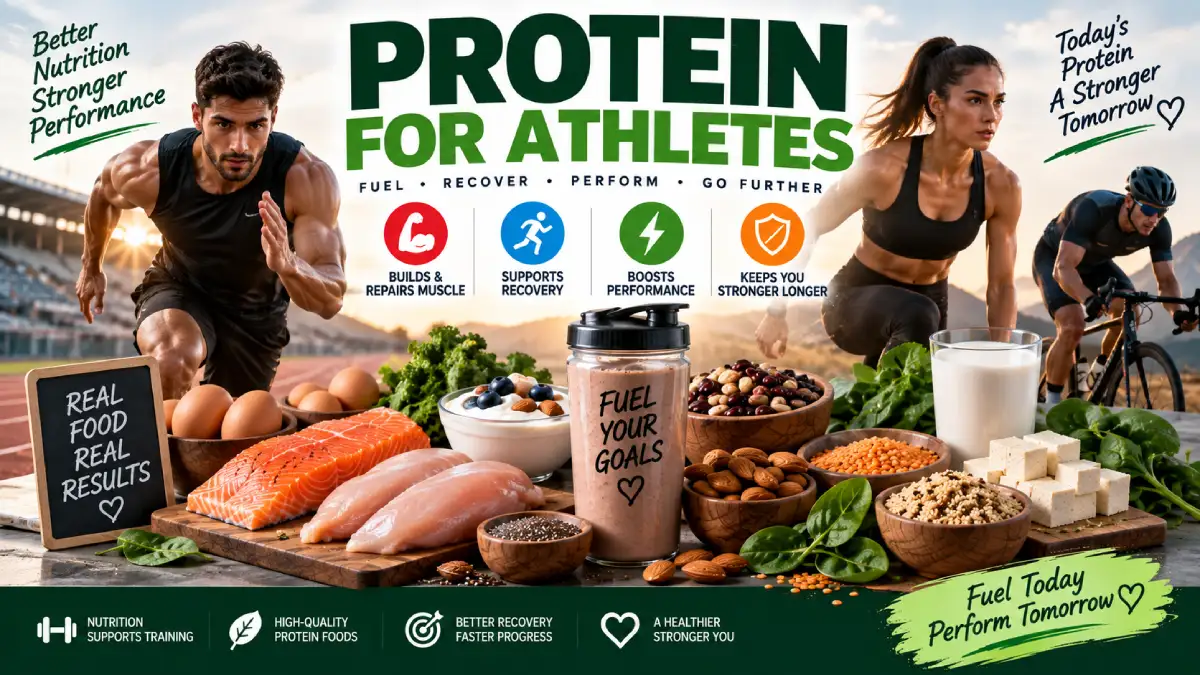
Protein is one of the most significant nutrients for athletes. The intake of protein is fundamental for supporting the repair and recovery, strength and performance of different muscles. The athlete whether it is a runner, weightlifter, cyclist, swimmer or team athlete will benefit from sufficient protein intakes in recovering from daily sessions. But simply increasing protein isn’t always an improvement. Athletes must have a diet that includes other elements such as carbohydrate, essential fats, vitamins/minerals etc with the anabolic effect and the right number of calories.
How vital is protein for sporting performance?
Exercise stresses your muscles. Activities such as resistance training, running, jumping etc. add to the demand for recovery and repair in your body. Protein is a source of amino acids which are used by your body to build up and repair muscle tissue. If you consume enough protein you will provide your body with what it needs for an average recovery process.
Protein may also help athletes:
- Muscles8I think that I need to make a conscious effort to maintain muscle mass this is because I have somewhat of a lazy attitude I feel unfortunately the determining factor for me not building more muscle and staying healthy is I need to be physically active.
- Build/maintain muscle mass with a strength training program
- Recover from the session you just completed. This is important because it will mean you‘ll have more energy to give your best in the next session.
- Feel satiated following.
- Preserve strength during times of lower calorie consumption
- Support for an overall balanced nutrition program
Hence people who participate in any form of regular exercising or any competitive athletes need to have adequate intakes of protein.
How Much Protein Do Athletes Need?
The needs for protein will depend upon a person‘s body mass, amount of training that they do, what their training objectives are, their age, as well as their diet. For many active individuals engaged in exercise, sports nutrition advice frequently recommends the daily protein intakes exceeding the default minimum for sedentary adults. A practical range often referred to in active populations is roughly 1.2–2.0g.kg-1.day-1 of protein depending on the nature and extent of training and on the aims of each individual.
For example, a 70kg athlete could be requiring an estimated 84–140g of protein within this wide spectrum. This is not a formula for every athlete. There can be variations for individual requirements and athletes with certain medical or performance needs should consult a trained sports dietitian or other healthcare professional.
Spread Protein Throughout the Day
An athlete need not carbo-load on all proteins at dinner. Consider adding a quality protein to your regular meals and snacks.
For example:
- Breakfast: eggs over easy, whole-grain toast, Greek yogurt
- Lunch: Chicken, tofu, or beans along with rice and vegetables
- Snack: yogurt with berries or a protein shake
- Dinner: fish, lean meat, tofu or pulses with potatoes and vegetables.
This method allows you to hit your daily protein intake with greater ease, while also supplying your body with nutrients all day long.
Best Protein Foods for Athletes
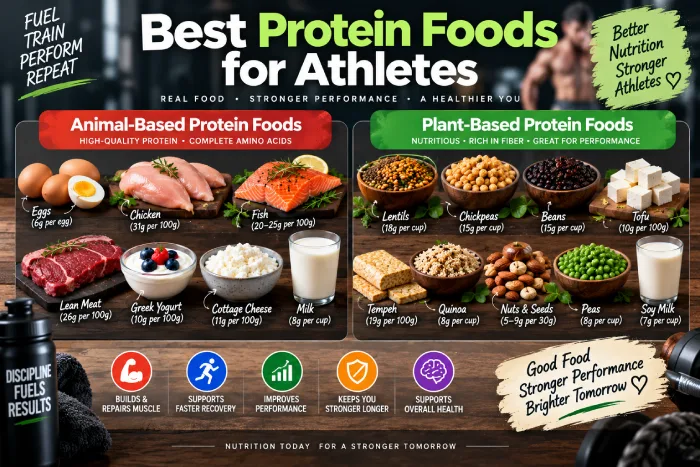
It‘s a good source protein, which comes from animals and plant sources.
Animal-Based Protein
Good options include:
- Eggs
- Chicken
- Turkey
- Fish
- Lean meat
- Greek yogurt
- Cottage cheese
- Milk
Not all fish are a source of healthy fats, but they can be (think what type of fish they are for some healthier options).
Plant-Based Protein
Plant-based athletes have plenty of options, including:
- Lentils
- Chickpeas
- Beans
- Tofu
- Tempeh
- Soy milk
- Peas
- Nuts and seeds. These types of foods are also very nutritious and represent another food group to be included in a healthy diet.
- Quinoa
A diversevegetarian dietcan include all the protein, fiber, vitamins, minerals and other nutrients.
Protein Before or After a Workout?
You don‘t have to eat protein right after your workout. Your total daily protein consumption is more crucial than obsessing over a limited post exercise window. That being said, it is convenient to take advantage of a protein-like snack or meal surrounding training.
A post-workout option could include:
- Banana protein shake. This would involve blending the banana with protein.
- Japanese style yogurt with berries and oats
- Eggs and whole-grain toast Just 4g of carbohydrate and half a teaspoon of sugar in 2 eggs! They sit alongside tomato slices to bulk out the meal.
- Chicken and rice.
- Tofu with vegetables and quinoa
Putting protein together with carbohydrates may be especially beneficial after intense training as the carbs can assist in energy restoration.
Do athletes require sports drinks?
Protein shakes are an option, but not a necessity. For the athlete who can meet their needs on an everyday basis without the use of protein supplementation, none may be necessary. Nonetheless, they can be beneficial when traveling, busy, or simply can‘t find the time to prepare a full meal.
A simple shake could be protein powder, milk or a non-sweetened plant derived beverage, fruit and other rich in nutrients articles. Verify the serving size and make sure there‘s enough protein per serving; also look at the calories and added ingredients.
Common Protein Mistakes Athletes Make
Eating Too Much Protein
The more protein the more muscle? Not necessarily. To build muscle it requires training as well as enough calories, carbohydrate, quality protein, sleep and recovery.
Ignoring Carbohydrates
Some sportspeople focus exclusively on protein while over-looking carbs. Carbohydrates are an important energy source for a number of types of exercise, especially high intensity and prolonged exercise.
Relying Too Much on Supplements
Can be useful, although never at the expense of wholesome, nutritious whole foods.
Not Eating Enough Overall
However, an athlete, who is taking in sufficient amounts of protein, still may not perform well if their overall calories and nutrients are not sufficient.
Protein for Different Types of Athletes
Strength athletes: Protein is either consumed by the body to replace that lost through exercise or stored within the body to be used at a later date. The added effect is increased strength from supporting the training program.
Endurance athletes: such as long distance runners and cyclists: Protein for recovery and a good amount of carbohydrate is still an important fuel for training.
For team-sport athletes: Protein intake should be optimised with sufficient carbohydrate, fluid and other nutrient intake to facilitate repeated sessions of training and competition.
Athletes attempting to make body fat reductions: may benefit from the addition of higher levels of protein to maintain lean body tissue from the gravity noted utilization of a calorie controlled diet, although underfeeding can impair performance and recovery.
Final Thoughts
Protein still has a large role to play in sports nutrition but perhaps it is no longer the only vital morsel in the performance equation. An athlete should also consider their relative intake of: protein, carbohydrate, healthy fat, and rehydration/ recovery. Target good quality sources of protein for your meals, spread your intake of protein evenly, and utilise protein support products such as shakes when you have the opportunity to do so.Forequal‘s important: select an eating style that fits well with your training and your health. If you‘d like to see more, then take a look at our other related guides to Low–Carb Foods, Animal-Based Protein Sources, Protein Powder and Protein Drinks and Recipes.