

Last Updated: September 13, 2026
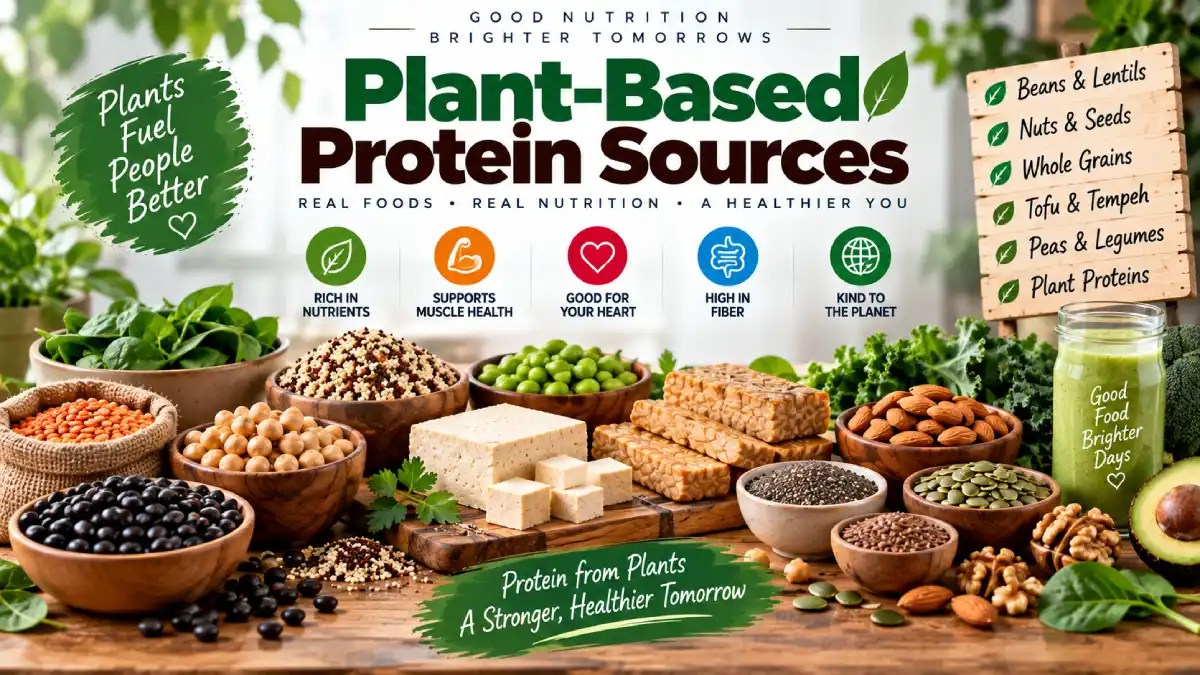
Plant based protein sources of food provide a resource that can be incorporated into a balanced healthy diet and provide the body with all the amino acids required as well as fibers, vitamins, minerals and huge amounts more. If you are a vegetarian, vegan or just beginning to eat more plants there are many ways of ensuring enough protein is gained without the intake of any meat products.
In addition, to the lentils and beans vegetarian diet include different sources of proteins like tofu, nuts, seeds, wholegrains etc. The most important thing is, that you have a balanced eating habit, which satisfies your needs of proteins and nutrition.
What Is Plant-Based Protein?
Plant protein is sourced from a variety of plant foods. Plant protein sources are better sources of vitamins, antioxidants, healthy fats and complex carbs as well as fiber in a diet compared to animal protein sources. The three main sources of plant protein are:
Common plant-based protein sources include:
- Lentils
- Beans
- Chickpeas
- Tofu
- Tempeh
- Soybeans
- Peas
- Nuts
- Seeds
- yellow grain grains
- Quinoa
Plant based protein powders: such as peas, brown rice, and hemp. A lot of these foods can make a rounded and filling diet.
Best Plant-Based Protein Sources
1. Lentils
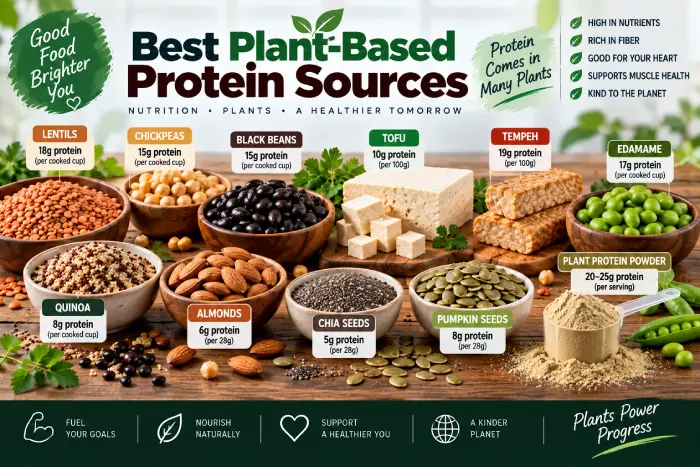
Lentils are in fact one of the most time efficient plant based protein meals. They are also rich in fibers, folate, iron and a lot of other nutrients.
They can be added to:
- Soups
- Curries
- Salads
- Rice dishes together with:
- Wraps
- Vegetable bowls; The respective prices for the vegetable bowls are.
Here are the different categories of lentils: green, brown, red, and black.
2. Chickpeas
Chickpeas are a great and inexpensive source of protein, fiber and many minerals. They are very easy to use and I enjoy eating them in a variety of ways including hummus, curries, salads and snack foods.
A mixture of chick peas and vegetables and cereals might constitute a complete meal.
3. Beans
Some beans/legumes like kidney,black, pinto, navy etc. and other needs are rich in protein and fiber.
In addition, beans are more affordable and are quick, easy and uncomplicated to implement into everyday diet.
4. Tofu
Tofu- This is a complete plant protein originating from soy beans. All nine essential amino acids are found in these.
It can be:
- Stir-fried
- Baked
- Grilled
- In soups07:GDK. For added to soups, (mortier et al., 2007).
- In the formulation of sauces:
- If replacing meat in a diet.
Tofu would be a good source of calcium if made using calcium salts.
5. Tempeh
Tempeh: A soy based food made with Fermented Soybeans. Tastes and feels firmer than tofu, and offers some protein, fiber and other nutrients. Use in sandwiches, stir frys, salad and bowls.
6. Soybeans and Edamame
Soybeans, the most common plant source of complete protein, are high in vegetarians. Edamame (above, young green soybean) can be eaten as a snack or added to. salads, rice plates, rice and noodle dishes or stir fry dishes.
7. Quinoa
As a grain-like seed, Quinoa is one of the best sources of food and includes all nine essential amino acids.
It can be used instead of rice or other grains and works well in:
- Salads
- Grain bowls.
- Breakfast dishes such as:
- Characters, Carrots, peppers, etc. (stuffed with a variety of ingredients).
- Recipes for side dishes!
8. Nuts and Seeds
Nuts and seeds – A convenient source of protein with added benefits of good fats, fiber, vitamins and minerals.
The calories of nuts and seeds are high density calories so the amount of nuts and seeds you serve may be a concern for your overall calorie intake.
Plant-Based Protein Powders
Plant Based Protein Powder these may be helpful in contributing to an overall protein intake from the diet, if an individual needs to take in more protein from the diet and needs a convenient method of doing so.
Common ingredients include:
- The details of the pea protein; history of availability and method of production etc(please do not mention hydrogenation, fat coating, or emulsification).
- insoy protein 1. This form appears amorphous and takes up water rapidly. The addition of soy protein does not significantly inhibit the fermentation process.
- Rice protein; it is used for mild cases.
- Hemp protein A new alternative source of protein other than soy. This is still under research as the first hemp food was launched in 1999 in Europe, and 2003 in America.
- Pumpkin seed protein – is a complete protein source.
- Protein blends. Complementary proteins using multiple plant proteins for a more balanced amino acid profile.
The target should use protein powders to help direct an appropriately healthy diet not to replace the bulk of dietary sources of protein from the whole food.
Are Plant Proteins Complete Proteins?
A fully complete protein contains the 9 essential amino acids in sufficient amounts. Plant foods: some plant foods as the soy and quinoa are complete protein. Others may be limiting in one or more of the essential amino acids. However, this does not mean that you have to eat certain food combinations at each meal. Having a generally varied diet throughout the day will make sure you‘re getting enough amino acids.
Plant-Based Protein for Muscle Building
If proper resistance training is used, it is possible for people to build and maintain muscle tissue on a purely plant-based diet, provided their daily intake of calories and proteins is adequate.
Useful protein-rich foods include:
- Tofu
- Tempeh
- Soybeans
- Lentils
- Beans
- Peas
- Seitan
- Buying lots of veggie protein powders.
People who are able to, and actually do, take exercise are likely to have an increased protein requirement over that of the sedentary adult and therefore high protein foods and snacks are more appropriate.
How Much Plant Protein Do You Need?
Your protein requirements are influenced by your body weight, age, activity, health and fitness goals.
The distribution of protein intake throughout the day may perhaps be easier to reach daily requirements in active adults.
Let the protein be the focus of the meal, rather than focusing on one single food. Focus on building the meal around the protein. Once the protein is selected, add vegetables, grains, fruit and healthy oils.
Benefits of Plant-Based Protein Sources
Supports Muscle and Tissue
Protein provides amino acids for growth, maintenance and repair of muscle tissue.
Supports Digestive Health
Many sources of plant protein, for example beans and lentils, are also major sources of dietary fiber which is needed to allow normal digestion.
Provides Additional Nutrients
Plant protein foods can provide nutrients such as:
- Iron
- Magnesium
- Folate
- Potassium
- Zinc
- Fiber
The nutrients of foods are different.
Supports a Varied Diet
Adding other plant proteins to a diet will increase biodiversity and help develop its individual characteristics of taste, consistency and nutrients.
Tips for Getting More Plant Protein
Try these simple strategies:
- Add lentils or beans to your soups and curries.
- In stir-fry, use (such as 100% soy products):.
- In corporate food production.
- Sprinkle the seeds onto oatmeal, cream or yogurt.
- Use quinoa instead of some refined grains.
- Add peanut or almond butter to smoothies.
- Opt for fortified plant-based foods where suitable.
- Any convenient plant protein powder.
Plant-Based Protein and Weight Management
Protein is another nutritional component which can provide satiety and helps to preserve lean body mass during weight loss. Furthermore, several plant protein foods are high in fiber, which could also lead to increased satiety.
But some plant based protein foods such as nuts and other nut products are very high in calories so this would also mean that monitoring of portion control and a balanced diet is essential in maintaining weight.
FAQs
Can you get sufficient protein from plants?
Yes. It is entirely possible to obtain sufficient protein through a balanced plant based diet. You should aim to consume a mixture of throughout the day: bean, soya, grain, nut and seed plus other protein sources.
Is plant protein good for muscle growth?
Yes, if the provision of sufficient plant protein together with the rest of an individual diet allows enough caloric and the individual is engaged in resistance training then muscle hypertrophy and maintenance should occur.
Do vegans need protein supplements?
Does it not have to be? If an individual was consuming a balanced and frequent diet he/ she maybe able to obtain all of his/ her protein intake from natural foods entirely. In this case protein powders may be utilized as a supplement where it is difficult to acquire sufficient quantities of protein.
Final Thoughts
Red flags to vegetarians and vegans should be their general diet not their individual protein consumption. If they can make the right choices with regard to what they eat and total protein intake is adequate veganism or vegetarianism is a healthy on the go lifestyle that will balance out just fine.