

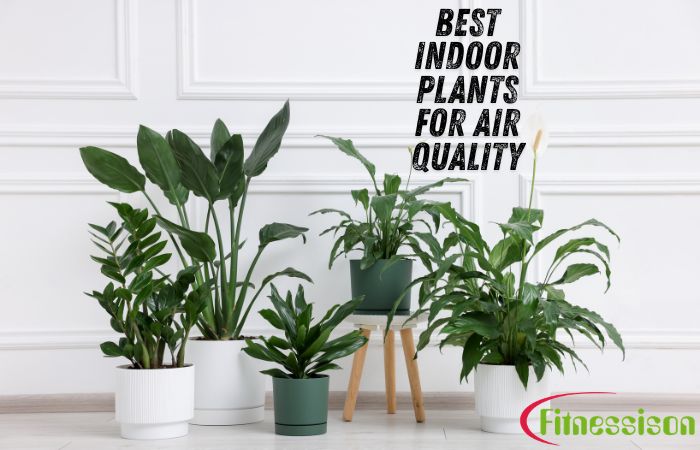
Many people search for the best indoor plants for air quality because indoor air pollution has become a growing concern. Modern homes are often sealed tightly to improve energy efficiency, but this can trap pollutants inside, reducing the quality of the air we breathe.
Indoor plants can help improve air quality by absorbing certain toxins, releasing oxygen, and increasing humidity levels. Some plants are particularly effective at filtering pollutants commonly found in homes, such as formaldehyde, benzene, and carbon monoxide.
In this guide, we’ll explore the best indoor plants for air quality, how they work, their benefits, care tips, and scientific sources supporting their effectiveness.
Why Indoor Air Quality Matters
Indoor air quality has a direct impact on our health and comfort. Poor air quality can lead to symptoms such as headaches, fatigue, allergies, and respiratory irritation.
Common sources of indoor air pollution include:
- Cleaning products
- Paint and building materials
- Furniture and carpets
- Cooking fumes
- Dust and mold
According to the U.S. Environmental Protection Agency (EPA), indoor air can sometimes be more polluted than outdoor air due to limited ventilation.
Can Indoor Plants Really Improve Air Quality?
Indoor plants can help improve air quality by:
- Absorbing carbon dioxide
- Releasing oxygen
- Removing certain airborne toxins
- Increasing humidity levels
A well-known NASA Clean Air Study found that some plants can remove harmful chemicals from indoor environments.
While plants alone cannot replace proper ventilation, they can contribute to a healthier indoor environment.
Best Indoor Plants for Air Quality
Below are some of the most effective plants for improving indoor air quality.
1. Snake Plant (Sansevieria)
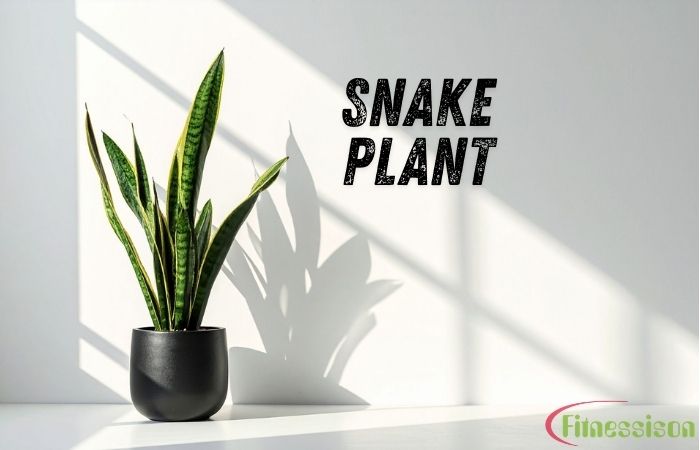
The snake plant is one of the most popular air-purifying plants.
Benefits
- Removes toxins such as formaldehyde and benzene
- Produces oxygen even at night
- Very easy to maintain
Care Tips
| Requirement | Details |
| Light | Low to bright indirect light |
| Water | Water every 2–3 weeks |
| Difficulty | Very easy |
Snake plants are ideal for bedrooms because they release oxygen at night.
2. Spider Plant
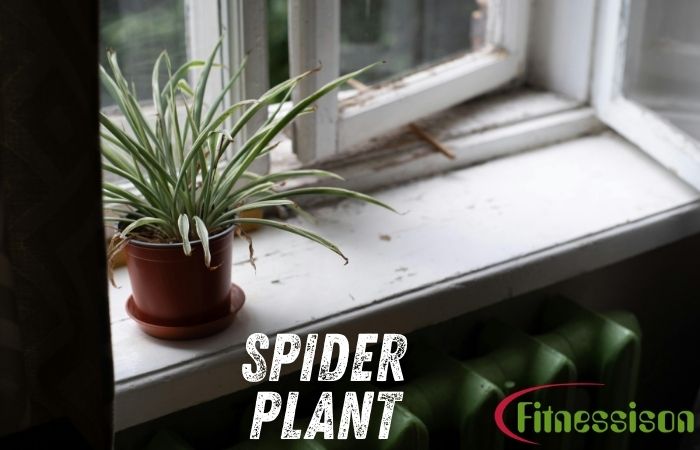
Spider plants are excellent for beginners.
Benefits
- Removes carbon monoxide and formaldehyde
- Safe for pets
- Fast-growing plant
Care Tips
| Requirement | Details |
| Light | Bright indirect light |
| Water | Moderate watering |
| Difficulty | Easy |
Spider plants are great for kitchens and living rooms.
3. Peace Lily
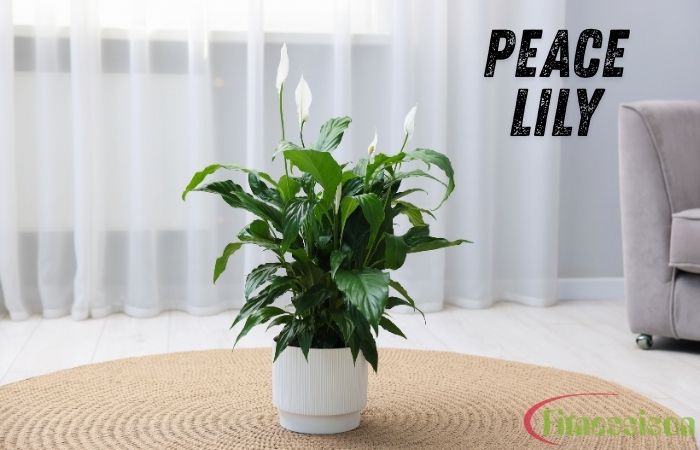
Peace lilies are known for their ability to filter several indoor pollutants.
Benefits
- Removes mold spores
- Filters toxins such as benzene and formaldehyde
- Adds moisture to the air
Care Tips
| Requirement | Details |
| Light | Low to moderate light |
| Water | Keep soil slightly moist |
| Difficulty | Moderate |
Peace lilies are often placed in bathrooms or shaded areas.
4. Aloe Vera
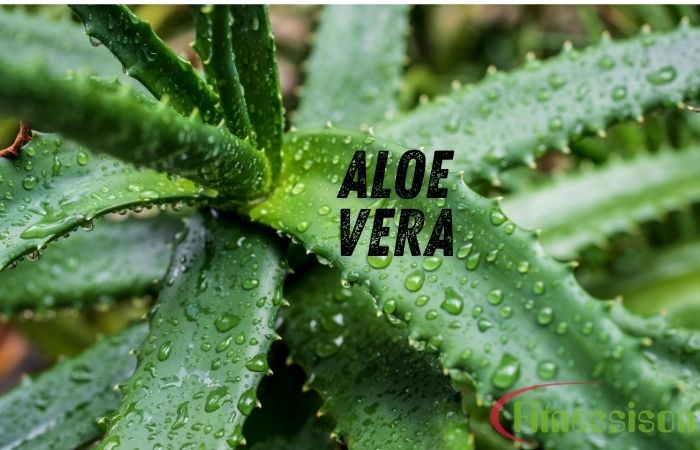
Aloe vera is well known for its medicinal uses, but it also helps improve indoor air quality.
Benefits
- Removes toxins from cleaning products
- Releases oxygen
- Provides soothing gel for skin
Care Tips
| Requirement | Details |
| Light | Bright sunlight |
| Water | Water every 2–3 weeks |
| Difficulty | Easy |
Aloe vera works well near sunny windows.
5. Bamboo Palm
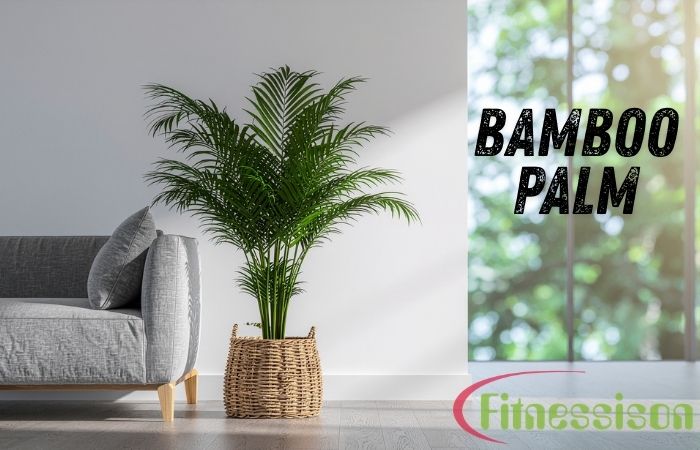
Bamboo palms are excellent natural air purifiers.
Benefits
- Filters formaldehyde and benzene
- Improves humidity levels
- Adds a tropical look to indoor spaces
Care Tips
| Requirement | Details |
| Light | Indirect sunlight |
| Water | Keep soil moist |
| Difficulty | Moderate |
They are commonly used in offices and living rooms.
Comparison Table: Best Plants for Air Quality
| Plant | Air Purifying Ability | Maintenance Level | Best Room |
| Snake Plant | High | Very easy | Bedroom |
| Spider Plant | Medium | Easy | Living room |
| Peace Lily | High | Moderate | Bathroom |
| Aloe Vera | Medium | Easy | Kitchen |
| Bamboo Palm | High | Moderate | Office |
This comparison helps you choose plants based on your environment and maintenance preference.
Additional Benefits of Indoor Plants
Indoor plants offer many benefits beyond air purification.
Stress Reduction
Studies show that plants can help reduce stress and improve mood.
Increased Productivity
Research suggests that having plants in workspaces can improve concentration and productivity.
Improved Humidity
Plants release moisture through a process called transpiration, which helps maintain comfortable humidity levels indoors.
How Many Plants Do You Need?
While plants can improve indoor environments, a single plant will not completely purify the air in a room.
Experts suggest placing several plants around your home.
Example guideline:
| Room Size | Suggested Plants |
| Small room | 1–2 plants |
| Medium room | 3–4 plants |
| Large room | 5+ plants |
Combining plants with good ventilation provides the best results.
Tips for Choosing Indoor Plants
When selecting plants for air quality, consider the following factors.
Light Availability
Choose plants that match your home’s lighting conditions.
Maintenance Level
Some plants require frequent watering and care, while others are low maintenance.
Pet Safety
Certain plants can be toxic to pets, so check before placing them in homes with animals.
Common Mistakes When Growing Indoor Plants
Avoid these mistakes to keep your plants healthy.
- Overwatering plants
- Placing plants in poor lighting
- Using pots without drainage
- Ignoring pest problems
Healthy plants are more effective at supporting indoor air quality.
Are Indoor Plants Enough to Clean the Air?
While plants contribute to air quality, they should not replace other air purification methods.
The EPA recommends combining plants with proper ventilation and air filtration systems for the best results.
Plants should be considered a supportive solution rather than the only method for improving air quality.
Final Thoughts
Choosing the best indoor plants for air quality is a simple and natural way to create a healthier living environment. Plants like snake plants, spider plants, peace lilies, aloe vera, and bamboo palms are among the most effective options for improving indoor spaces.
In addition to air purification, indoor plants provide benefits such as improved mood, better humidity, and a more relaxing atmosphere. When combined with proper ventilation and good indoor habits, plants can help maintain a fresher and healthier home.