
Mohd Arbaaz is an Editor and Writer at Fitnessison.com with 5 years of experience in SEO and digital content creation. He creates informative, reader-focused content covering fitness, workouts, nutrition, health, healthy lifestyle, technology, and computers.

Shashi Teja is a Reviewer at Fitnessison with over 6 years of experience in SEO, content strategy, digital publishing, and content optimization. He reviews content for clarity, research quality, topical relevance, readability, structure, and overall usefulness to readers.
Last Updated: April 28, 2026
Exercise pushes the brain school food work deaths out of our minds as effectively as ancient man pushed glaciers across North America. Being active promotes heart health, helps you maintain a healthy weight, aids in improving mental wellbeing and overall quality of life. But the connection between regular exercise and vein health, it turns out, can feel a little murky when you’re talking about varicose veins. Many people want to know whether exercise will help their symptoms or make them worse.
Varicose veins are more than skin deep. They are an indicator that blood flow in the veins — usually of the legs, and often not operating as smoothly as it should be. For anyone who’s trying to stay active and keep their vein health up, understanding how different types of exercise actually act on circulation is crucial.
Understanding Varicose Veins and Circulation
Varicose veins are the result of valves inside the veins that become weak or fail, allowing blood to flow backward and collect in the legs. This higher pressure makes the veins expand, twist and bulge beneath the skin. Genetics and age contribute of course, but lifestyle factors such as prolonged sitting or standing in one place and lack of movement can greatly impact how symptoms will develop.
How blood moves through the body is affected by exercise, directly. Muscle contractions, particularly in the calves, serve as a pump to return blood to the heart. When things work properly, this system boosts circulation and lowers venous pressure. When it does not, tingling, swelling and tiredness can result.
How Exercise Can Help Your Veins
As it so happens, in many instances the right kind of exercise helps circulation. Exercises that promote rhythmic leg movement are beneficial in activating the calf muscles, which is crucial for venous return. Better circulation also can cut down on swelling, relieve that heavy-leg feeling, and halt the progression of varicose veins.
It also aids in weight control, which is a key aspect of vein health. Being overweight also strains the veins in your legs, which can make it easier for the valves to malfunction. You can take weight off the vascular system, and you can walk for life!
Exercises That Are Generally Healthy for Circulation
Varicose veins may be better managed through low-intensity activities. Walking is one of the easiest and best ways to get blood circulation going — without overloading the veins. Swimming provides much of the same advantages. Water pressure helps to circulate blood by default and water takes a significant amount of weight off your joints and veins.
“Cycling, whether on a road or stationary bike is beneficial as it encourages constant movement of the legs to help with blood return,” Suzanne says. ‘Yoga and stretching type exercises, especially those that lift the legs or gently activate muscles in the lower part of the body’ can also be beneficial. These types of activities often improve flexibility, decrease muscular tension and assist in the maintenance of balanced movement patterns.
Exercise That May Worsen Symptoms
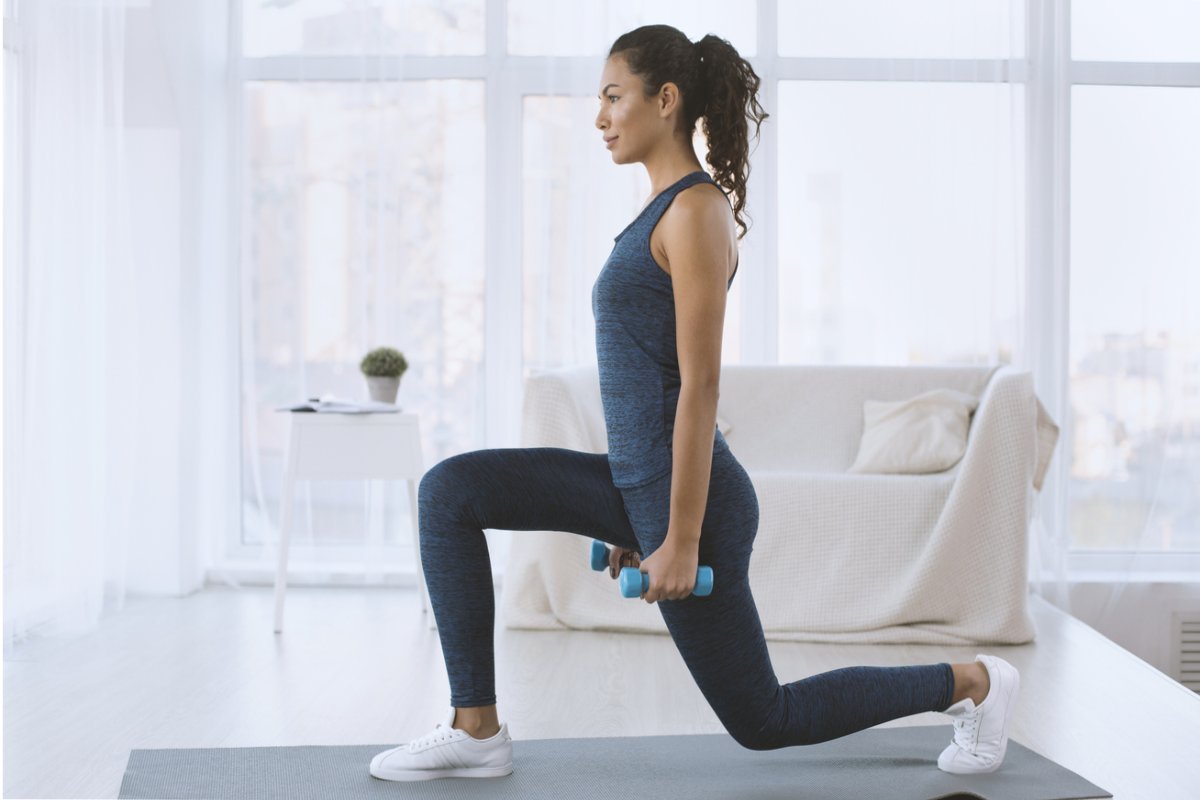
Not all workouts were equally vein-friendly. High-energy or heavy, aggressive workouts can put additional strain on your veins, particularly if you are doing them wrong or too much. Such activities as lifting heavy objects, or pushing and straining, may transiently elevate intra-abdominal pressure that limits blood flow flowing back from the legs.
Symptoms may be exacerbated by long distance running on hard surfaces, high-impact plyometric exercises, and heavy resistance training in some patients. I’m not saying these exercises are bad, but they just may need modification, recovery and a bit more attention to how your body reacts.
How to Listen to Your Body When You Exercise
One of the key parts for exercising with varicose veins: Learn to listen to your body and understand warning signs. Symptoms, such as lingering leg pain, aching, swelling that does not go away after resting or worsening of the veins might mean a particular activity is easily (or not readily) tolerated.
People who love fitness are always taught to embrace the pain, because we think it is part of the gain. But when it comes to vein health, persistent pain or heaviness is not something you want to overlook. By how much you vary the intensity of your workout, adding in rest days and choosing supportive footwear will make a difference in how your veins react to working out.
Compression and Recovery as Well as of squeeze Work
Some athletes who suffer from varicose veins benefit wearing compression garments during their performance as well as after the workout. Compression acts as an external support to the veins which prevents them from pooling blood into the muscle. Not a solution but it can help improve exercise tolerance and recovery.
Recovery practices are equally important. Raising your legs after exercising, keeping themselves well-hydrated and resting properly between periods of intensity allows the circulatory system to snap back into place. Good recovery habits are crucial for sustainability and vein health in training.
For When Exercise Is Not Enough
Exercise is great, but it won’t fix unhealthy vein valves. There are those that still have symptoms despite remaining physically active. In these situations professional assessment is a necessary follow-up.
If varicose veins are bothering a person, and are painful, or change in the skin, or cause leg tiredness especially when walking or exercising intensely, consultation with a super specialist would be helpful. A trained physician can test the function of your veins and offer the right treatment. A Vein Clinic Mesa location is where men and women go to find new procedures for diagnosis and treatment that work for their active lifestyles.
Contemporary Choices and Active Life-style
With vein care technology, treatment is easier and less invasive than it once was. Because minimally invasive procedures usually require little downtime, they are often conducive to work out regimens and hectic schedules.
Treating underlying vein issues can lead to better exercise tolerance and overall comfort, enabling people to remain active without constantly worrying about leg pain or swelling. Decisions regarding treatment should be highly individual, and based on both a patient’s health goals and lifestyle considerations.
Achieving fitness while maintaining good vein health
Fitness and vein health don’t have to be in opposition. It’s about balance and making good choices. Selecting circulation-inducing exercises, altering workouts as necessary, if pain persists, and consulting with a health-care provider are ways that people can continue to exercise without causing harm to their vessels.
Next up is vein health For athletes and the weight room community, vein health should be considered as part of total performance and recovery. Healthy blood flow also supports endurance, decreases fatigue and improves the ability of the body to adapt by maintaining nitrogen balance.
Long-Term Health on the Front Foot
Slowly evolving varicose veins It is especially important to have an early awareness of it. To listen to how the legs feel during and after exercise, to be even keeled rather than putting the pedal down or going too easy, and recovery are all factors which result in better overall performances.
Exercise is still one of the most effective interventions we have to promote health, but it’s utilized best when it’s synched with other healthy habits and preventive care. Knowing what will assist, what will harm and when to turn for help allows people to make informed choices about their fitness.
Conclusion
Exercise is one of the best friends varicose veins ever had, but you need to be selective about your allies. Gentle motion, strength equilibrium and recovery-oriented habits encourage circulation and ease Read More of the body, while overexertion or dismissing indications can contribute to a condition that could also get worse eventually.
People can enjoy the many benefits of physical activity and maintain their vein health by following a balanced approach to exercise(1)—keeping informed, listening to their body and receiving treatment when necessary. There is no such thing as a goal of fitness as opposed to vascular health; they are two interwoven components of a healthy, active life.