

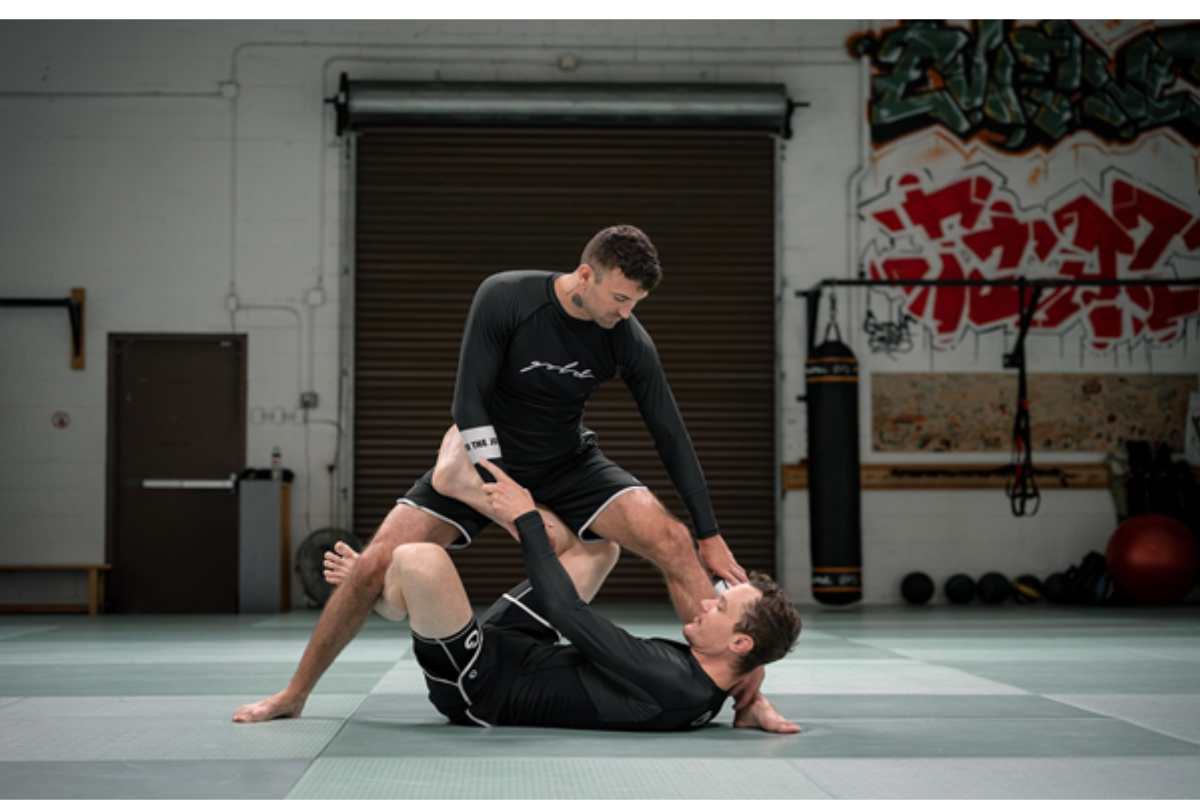
Although Brazilian Jiu-Jitsu (BJJ) is popular for its effectiveness, strategy, and full-body engagement, it carries the same risk of injury as any other sport. For beginners and even experienced practitioners, the intense grappling, joint locks, and constant pressure can sometimes lead to accidents.
However, many injuries do not result from the sport’s nature; others come from common training habits, simple mistakes, or lack of awareness. Practitioners can train smarter and reduce unnecessary risks by understanding the causes of these injuries. Read on to discover the most common causes of injuries during BJJ training.
Poorly Maintained Facilities and Equipment
Neglecting gym upkeep is one of the most common causes of injuries in Jiu-Jitsu. Torn mats can easily catch toes and cause fractures, while unsterilized surfaces can spread skin infections. Also, worn-out joint braces might fail to provide the needed support or grip. Frequent maintenance is important for preventing these avoidable training injuries, which may be severe.
Failure to Provide Protective Gear
Brazilian jiu-jitsu is often considered a soft art. However, failing to pay attention to basic protection often leads to disaster. For instance, not using mouthguards can lead to dental trauma and concussions, while failing to use ear guards can lead to permanent deformities. It is necessary to provide essential gear to avoid these frequent painful risks.
Inadequate Training and Supervision
Without expert oversight, beginners may not be able to engage in BJJ safely. They may use uncontrolled explosive force that causes them injuries. That is why instructors must supervise rolling to stop dangerous submissions. Failing to teach proper breakfall techniques or tapping rules leads to preventable fractures. Proper guidance ensures technical mastery instead of raw aggression during training.
Defective or Faulty Equipment
During Jiu-Jitsu training, faulty equipment may turn routine rolling into a hazard. For example, cracked mats may not absorb impact during takedowns, leading to concussions. Malfunctioning timers or unstable wall padding may cause collisions. BJJ practitioners injured due to faulty equipment can reach out to personal injury attorneys on LawFirm.com to determine the course of action.
Unsafe Sparring Techniques
Unsafe sparring, such as explosive heel hooks, can significantly strain ligaments and cause injuries. In the same way, slamming opponents to escape submissions can cause trauma or concussions. When practitioners prioritize ego over technical control, they can easily cause permanent physical damage to opponents.
Negligence by Instructors
While BJJ has low injury rates, instructor negligence during BJJ can lead to chaos. For instance, coaches who ignore weight differences or fail to intervene during violent sparring allow preventable trauma. Instructors who fail to teach proper tapping methods or overlook unsafe behavior contribute to a high-risk environment.
Assault During Training
Assault in BJJ transforms it from a combat sport to a criminal act. When a practitioner applies excessive force after a tap or strikes an opponent during a grapple, they can cause severe injuries. These intentional acts bypass the safety that comes with mutual consent, leading to severe physical harm and lasting psychological trauma.
Endnote
While Brazilian Jiu-Jitsu is considered a soft sport, injuries can still occur during training. These could be due to poorly maintained facilities and equipment, inadequate protective gear, improper training and supervision, and defective equipment. Injuries can also be due to unsafe sparring techniques, instructor negligence, and assault.